In Our Relic Collection
Saint profile
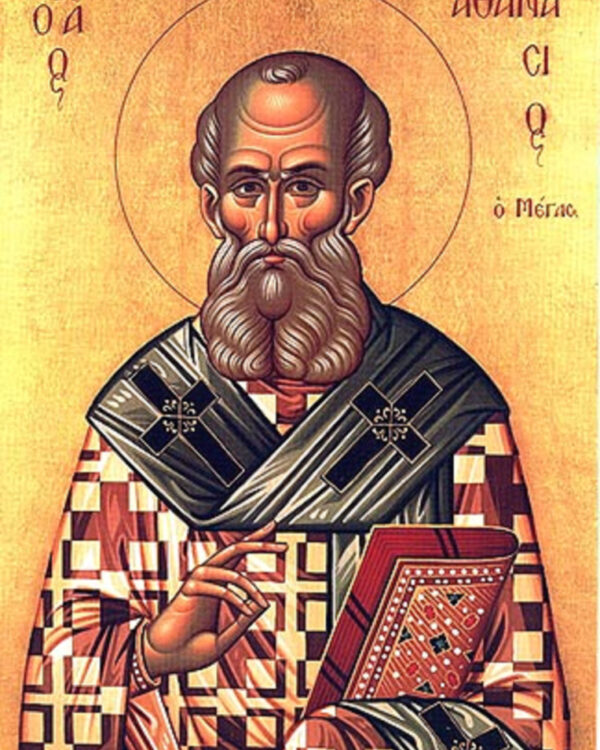
St. Athanasius
296–373
Associated with Healing.
Biography and devotion
St. Athanasius: life, patronage, and devotion
St. Athanasius was born around 296 in Alexandria, Egypt, and became one of the greatest defenders of the divinity of Christ. He is honored as Bishop of Alexandria, Father and Doctor of the Church, and a principal champion of Nicene orthodoxy. As a young deacon, Athanasius accompanied Bishop Alexander of Alexandria to the Council of Nicaea in 325. The council condemned Arianism, which denied the full divinity of the Son. Athanasius spent the rest of his life defending the truth that the Son is consubstantial with the Father, true God from true God. He became Bishop of Alexandria in 328. His episcopate was marked by conflict, exile, and endurance. Arian factions and sympathetic emperors repeatedly drove him from his see. He was exiled five times, spending years away from Alexandria, yet he continued to write, teach, and strengthen the faithful. The phrase “Athanasius contra mundum,” Athanasius against the world, captures the memory of a bishop standing firm when political and ecclesiastical pressure seemed overwhelming. His writings include On the Incarnation, one of the classic works of Christian theology, as well as defenses of the Nicene faith, letters, and the Life of Anthony. That biography of St. Anthony of the Desert helped spread monastic ideals throughout the Church. Athanasius was not only a controversial theologian; he was also a pastor who understood that doctrine protects the life of prayer. If Christ is not truly God, then salvation, worship, and union with God collapse. Tradition associates him with healings and wonders, but his greatest work was doctrinal fidelity. He died in 373 after returning to his flock. His life remains one of the clearest examples of episcopal courage, theological precision, and perseverance under persecution for the truth about Christ.
His annual Festal Letter of 367 is also famous because it contains the list of New Testament books matching the twenty-seven books Catholics use today. This does not mean he invented the canon, but it shows his role in witnessing to the Church’s received Scriptures. His repeated exiles took him to Rome, Trier, the Egyptian desert, and other places, spreading his influence even when enemies tried to silence him. The monks of Egypt supported him, and he supported them. His life teaches that doctrine was not an abstraction: the confession that Christ is true God was worth homelessness, slander, and exile.
At a glance
- Life dates
- 296–373
- Feast day
- May 2
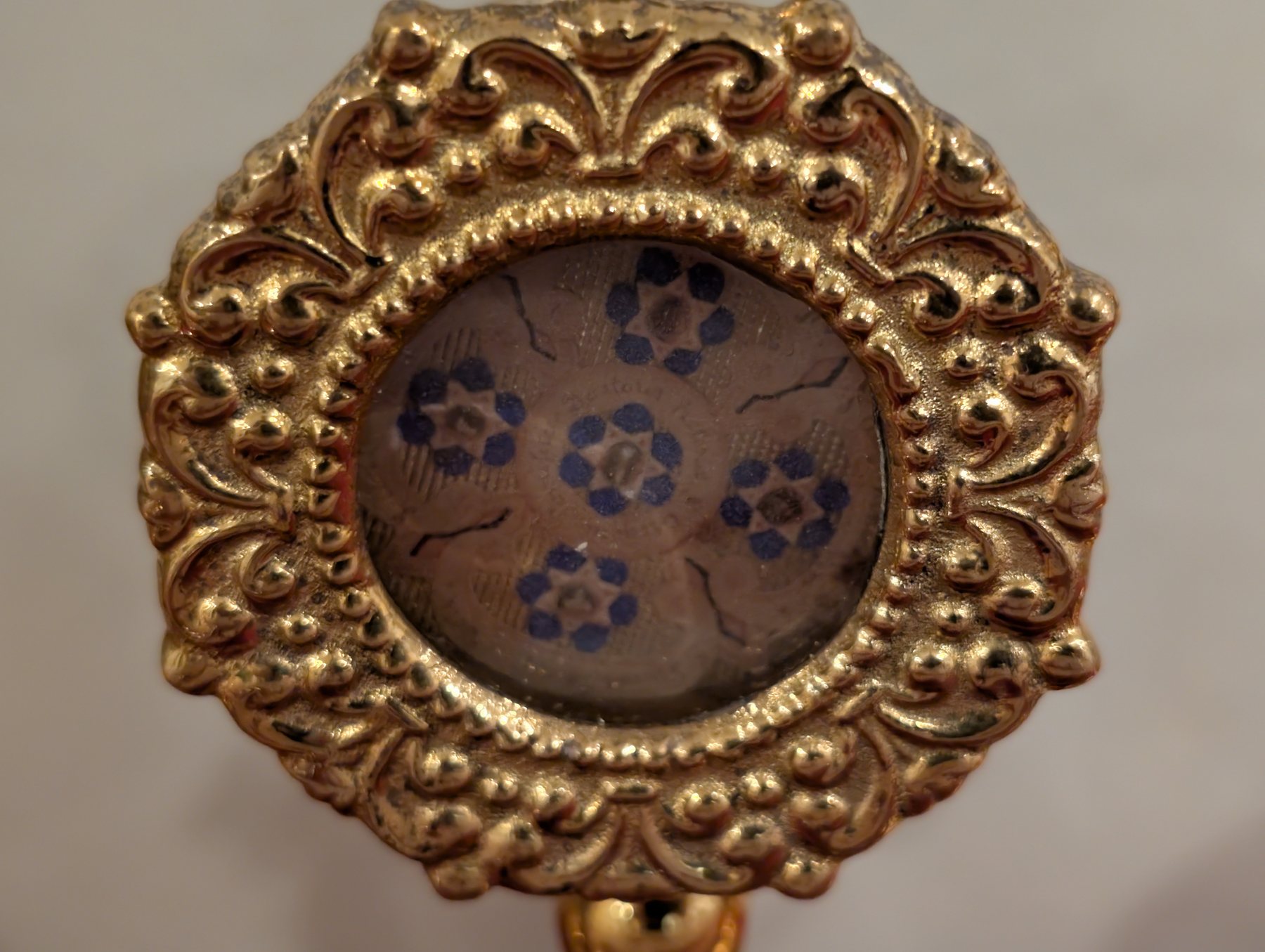
Relic in the Chasing Saints collection
A relic of St. Athanasius is present in the Chasing Saints Relic Collection. Private registry details, certificate IDs, provenance notes, and storage information are intentionally not shown publicly.
Reported favors