Saint profile
St. Gregory Barbarigo
1625–1697
Associated with Healing, Students, Priests; patronage includes Patron of scholars and librarians.
Biography and devotion
St. Gregory Barbarigo: life, patronage, and devotion
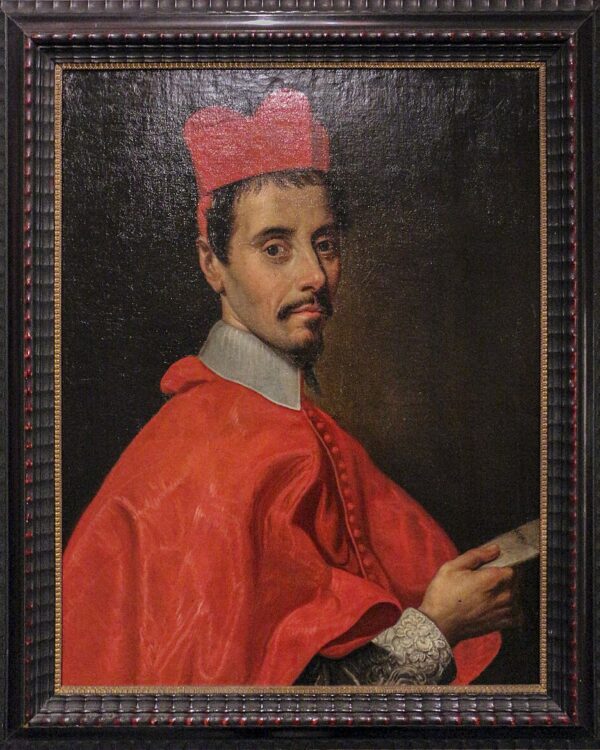
St. Gregory Barbarigo was born in Venice in 1625 and died in 1697. He became bishop of Bergamo, then bishop of Padua, and a cardinal of the Church. He is honored as a pastor, scholar, reforming bishop, and patron of seminaries, libraries, and Catholic learning.
Gregory came from a noble Venetian family and received a strong education. As a young man he served the Venetian Republic in diplomatic work, including at the negotiations surrounding the Peace of Westphalia. There he met the future Pope Alexander VII, who recognized his gifts. Gregory eventually turned from public diplomacy toward the priesthood, bringing with him discipline, intelligence, and a wide view of European affairs.
As bishop, he took seriously the reforms of the Council of Trent. He visited parishes, encouraged catechesis, cared for the poor, strengthened clerical discipline, and gave special attention to seminaries. At Padua he built up the seminary into an important center of Catholic learning, with a printing press, library, and attention to languages useful for missionary and scholarly work. He was not content with administrative religion; he wanted priests well formed in doctrine, prayer, preaching, and pastoral charity.
During plague and public distress he served the sick and organized relief. His charity was personal as well as institutional, and he spent his own resources freely for the Church and the poor. He was also involved in the wider Catholic intellectual life of his age, when the Church needed bishops who could unite holiness with learning. Canonized in 1960 by St. John XXIII, St. Gregory Barbarigo remains a model of episcopal reform: a nobleman who became a servant, a scholar who became a pastor, and a bishop who understood that seminaries shape the future holiness of the Church.
He also supported missionary and ecumenical learning by encouraging knowledge of Eastern languages and Christian traditions. This intellectual breadth was not curiosity for its own sake; it served the Church’s unity and pastoral mission. Gregory’s sanctity made scholarship, seminary reform, and charity toward the poor part of one episcopal vocation.
At a glance
- Life dates
- 1625–1697
- Feast day
- June 18
- Patronage
- Patron of scholars and librarians
- Incorrupt status
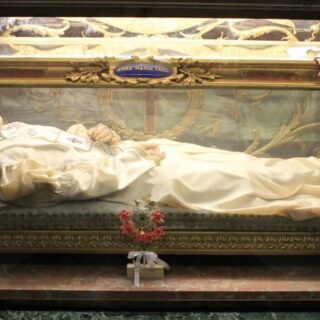
- Reported incorrupt in Catholic tradition
Relic in the Chasing Saints collection
A relic of St. Gregory Barbarigo is present in the Chasing Saints Relic Collection. Private registry details, certificate IDs, provenance notes, and storage information are intentionally not shown publicly.
Reported favors