In Our Relic Collection
Saint profile
St. Elizabeth of Hungary
1207–1231
Associated with Healing, Religious, Saints; patronage includes Princess and Franciscan tertiary; patron of the poor and hospitals..
Biography and devotion
St. Elizabeth of Hungary: life, patronage, and devotion
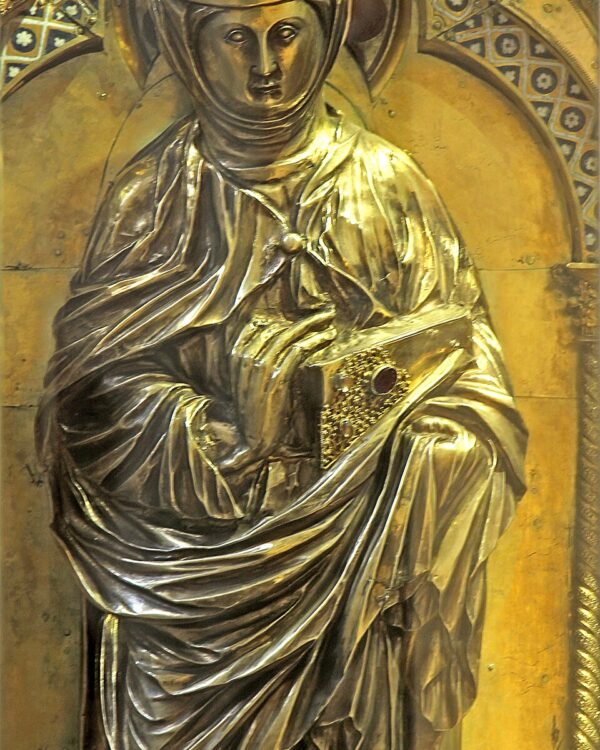
St. Elizabeth of Hungary was born in 1207, the daughter of King Andrew II of Hungary. Sent as a child to the court of Thuringia, she married Ludwig IV and became landgravine. She is patron of the poor, hospitals, widows, nurses, bakers, and Secular Franciscans. Her life joined royal dignity with startling charity.
Elizabeth loved prayer, simplicity, and the poor from youth. Her marriage to Ludwig was affectionate and devout, and he protected her charitable works even when members of the court thought her generosity excessive. She fed the hungry, clothed the poor, visited the sick, and used her rank as a doorway to mercy rather than privilege.
The best-known miracle associated with her is the miracle of the roses. According to tradition, she was carrying bread to the poor when questioned, and the bread was miraculously changed into roses. The story expresses the central truth of her life: what looked like waste to the worldly court was beauty before God.
After Ludwig died on crusade in 1227, Elizabeth was left a young widow with children. She suffered conflict over her dower and place at court, but she refused to surrender her vocation of poverty and service. Under the guidance of the stern spiritual director Conrad of Marburg, she embraced a penitential life, joined the Third Order of St. Francis, and founded a hospital at Marburg, where she personally cared for the sick.
She died in 1231 at only twenty-four. Miracles of healing were soon reported at her tomb, and she was canonized in 1235. Her shrine at Marburg became one of the great pilgrimage sites of medieval Germany.
St. Elizabeth’s holiness is luminous because it was concrete. She did not love the poor as an idea. She touched their wounds, fed them, gave away costly goods, and found Christ beneath rags, hunger, and illness.
Her short life moved quickly from court to hospital. The sick whom she served at Marburg were not symbols to her but persons she washed, fed, and comforted with her own hands. That is why her memory remains one of the Church’s strongest images of royal charity.
At a glance
- Life dates
- 1207–1231
- Feast day
- November 17
- Patronage
- Princess and Franciscan tertiary; patron of the poor and hospitals.
Relic in the Chasing Saints collection
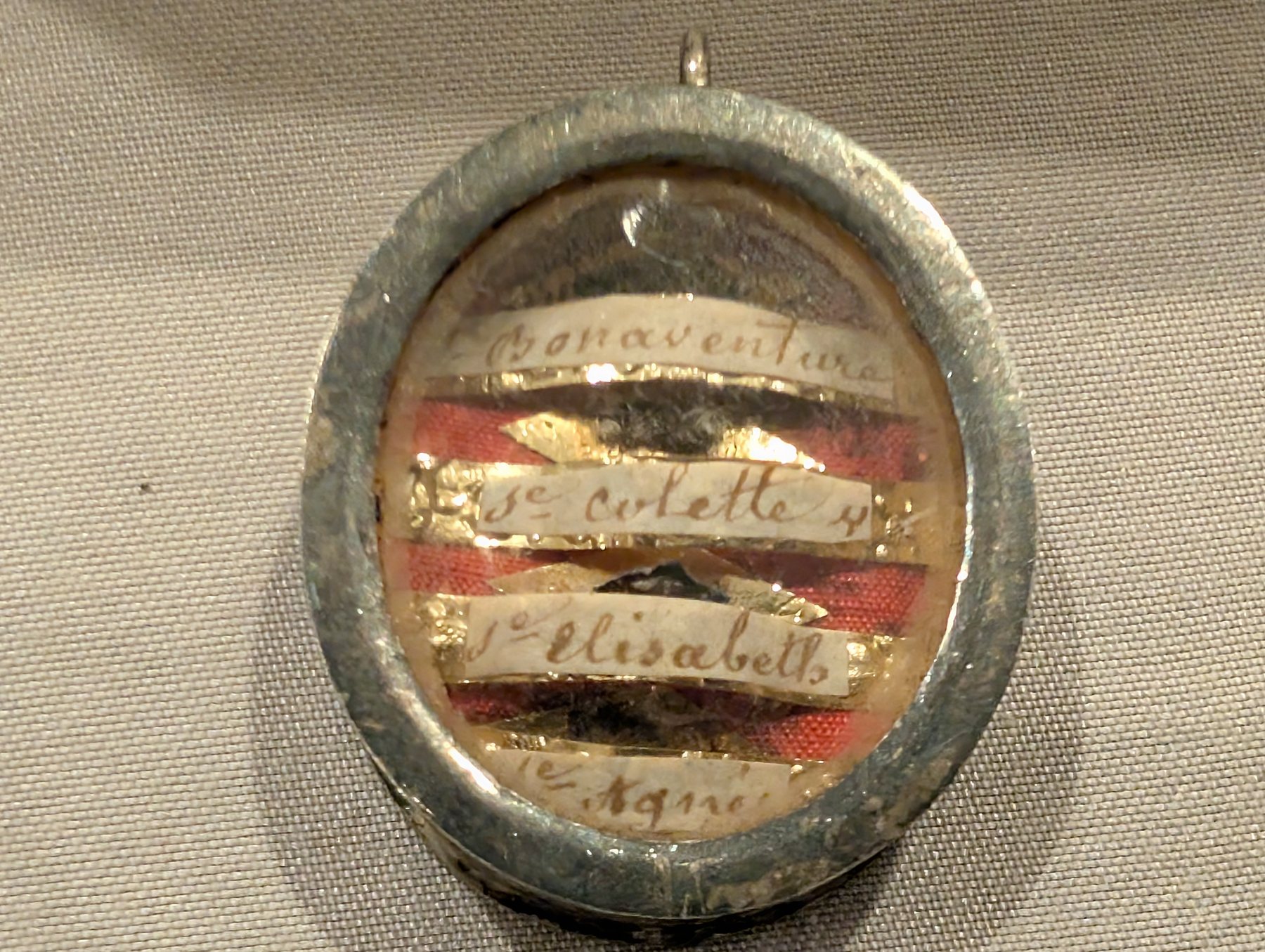
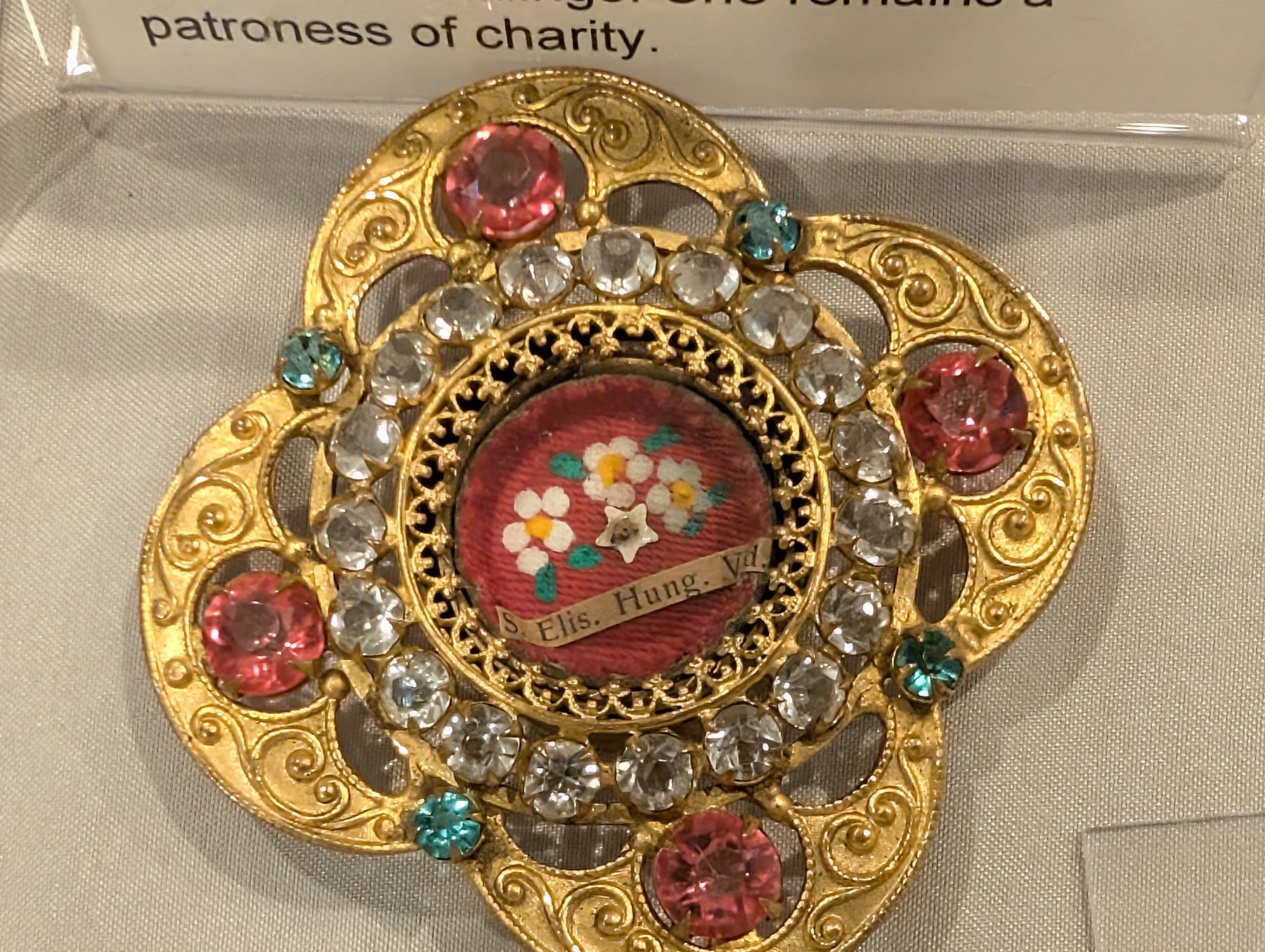
A relic of St. Elizabeth of Hungary is present in the Chasing Saints Relic Collection. Private registry details, certificate IDs, provenance notes, and storage information are intentionally not shown publicly.
Reported favors