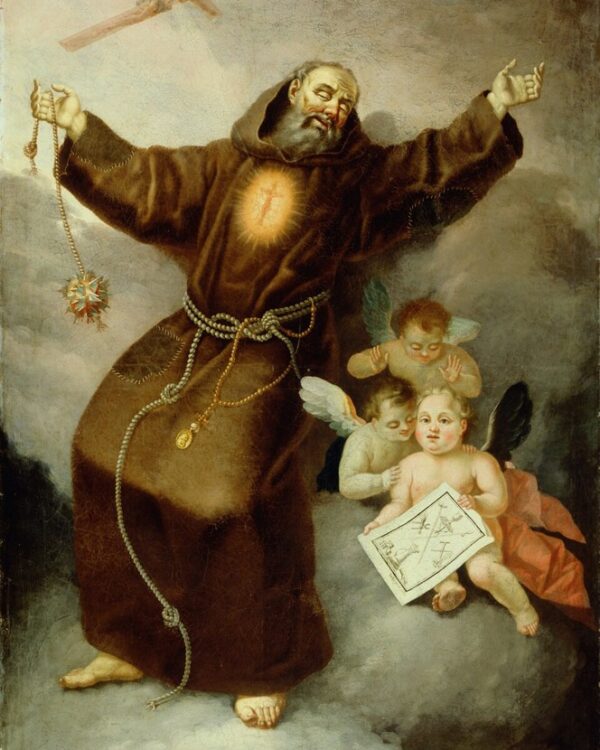
 Artwork: Fortunat_Bergant_-_Sv._Bernard_Korleonski.jpg — Fortunat Bergant. Public domain; via Wikimedia Commons. Resized for display.
In Our Relic Collection
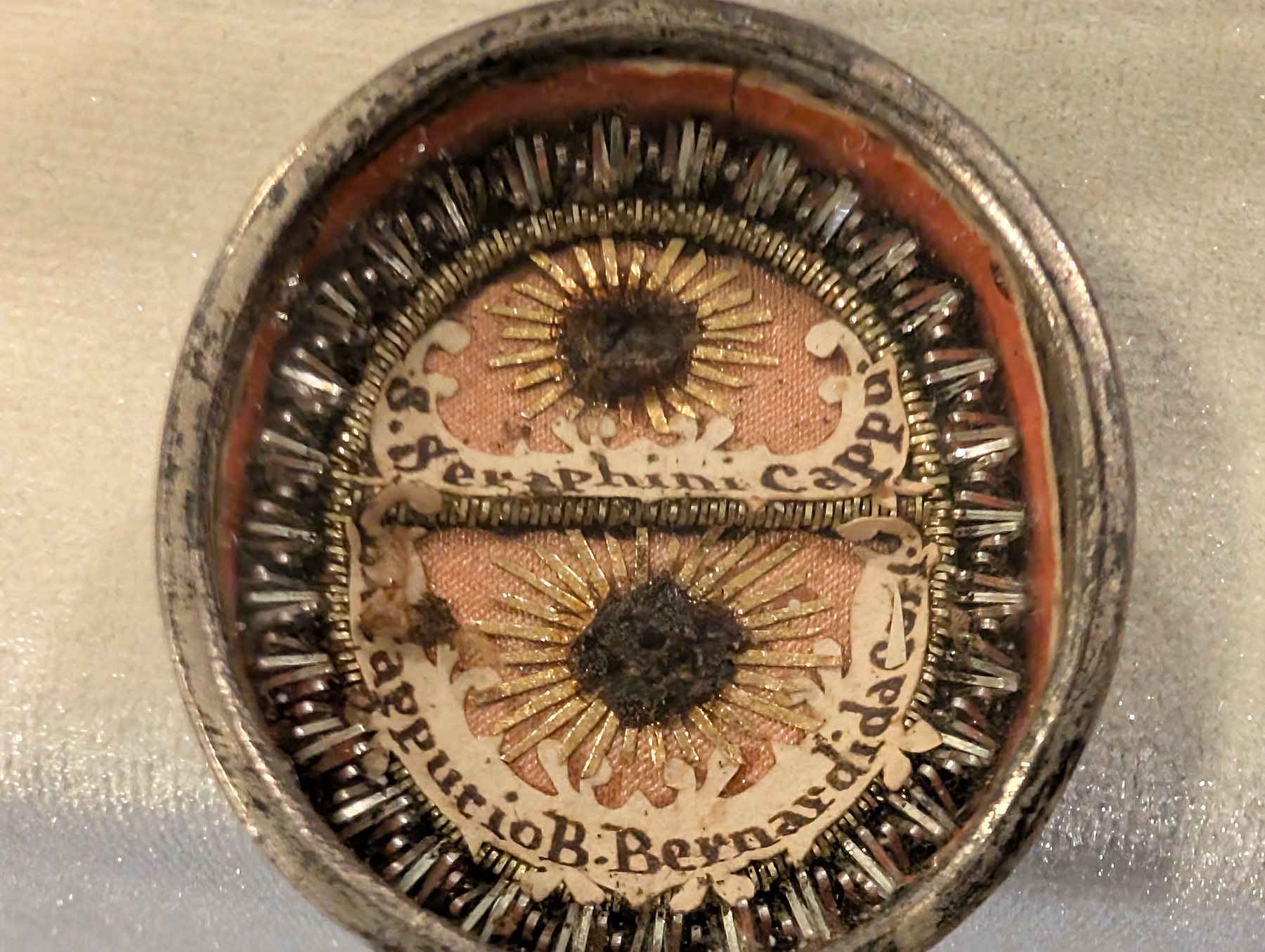
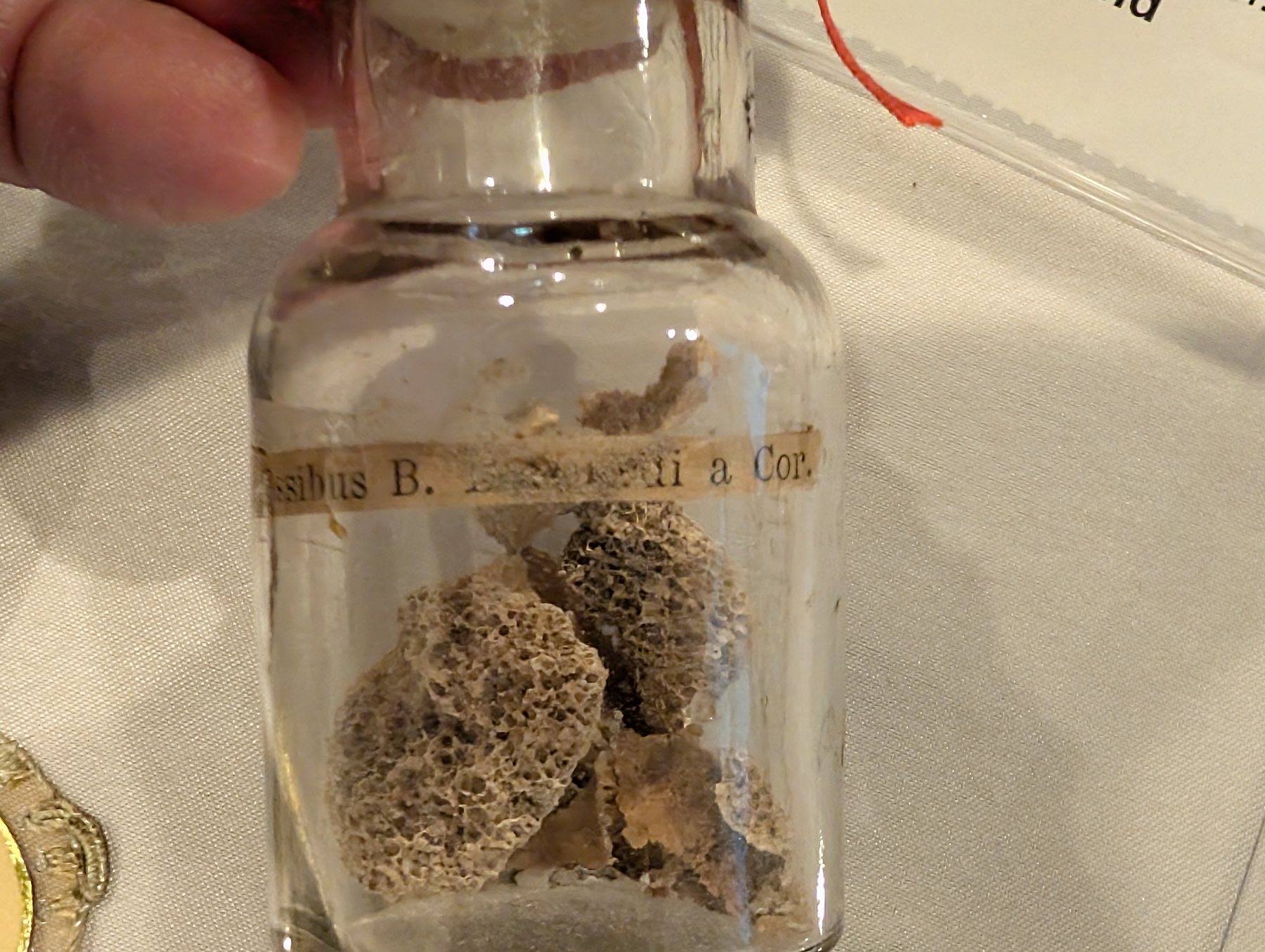
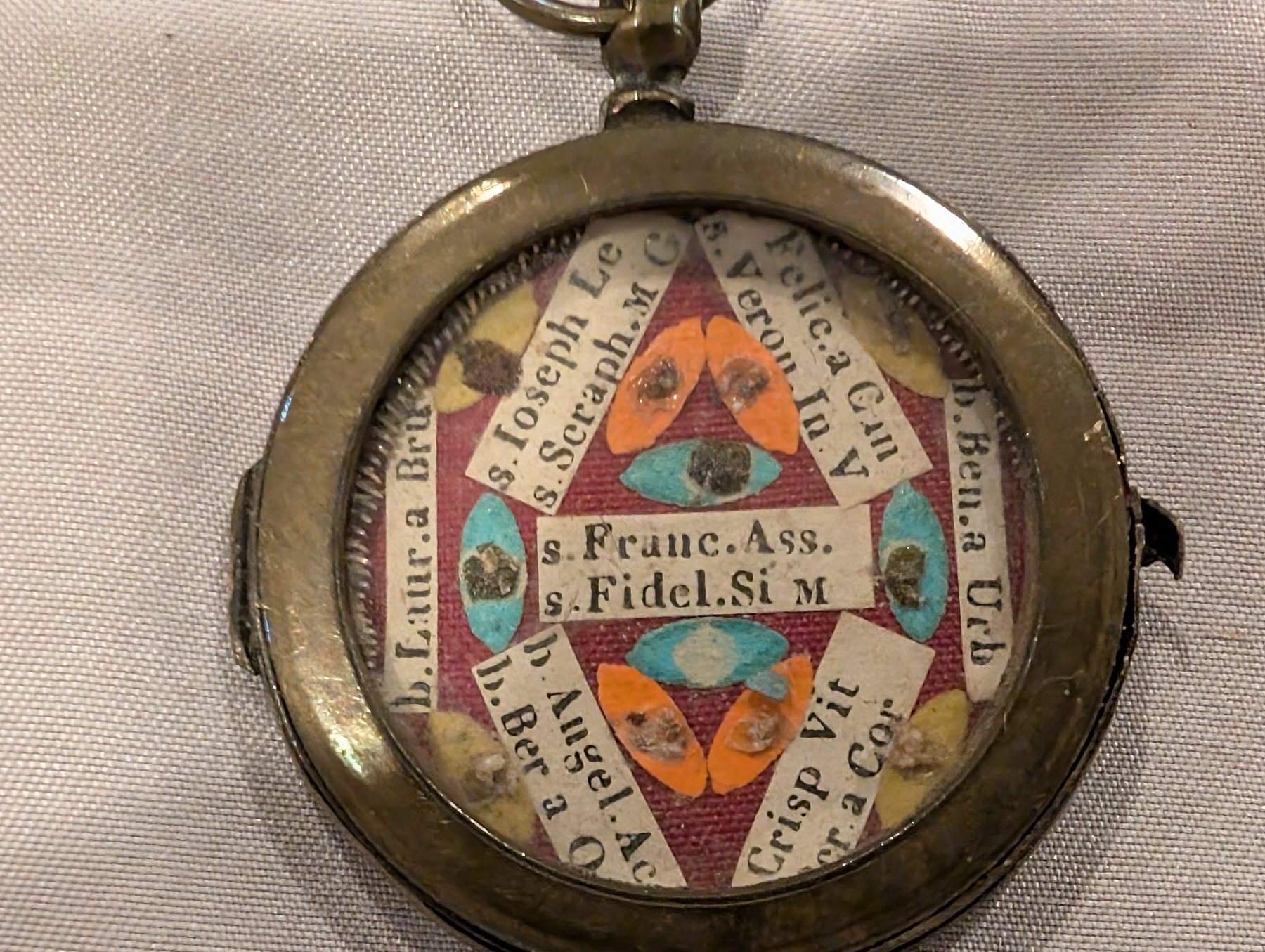
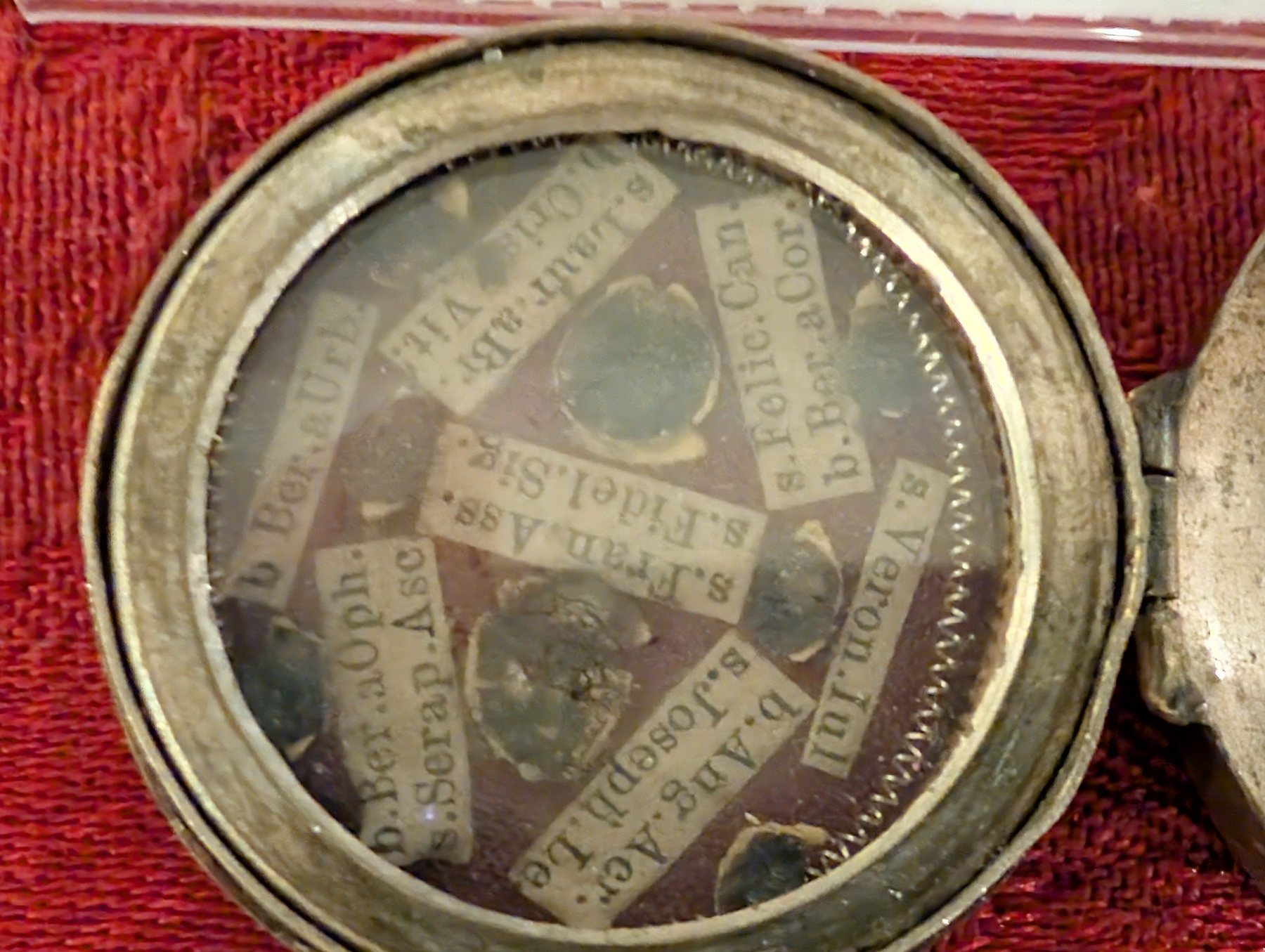
Saint profile
St. Bernard of Corleone
1605–1667
Associated with Healing, Conversion, Saints; patronage includes Capuchin lay brother; patron of fencers and those seeking humility..
Biography and devotion
St. Bernard of Corleone: life, patronage, and devotion
St. Bernard of Corleone was born Filippo Latini in Corleone, Sicily, in 1605. He is remembered as a Capuchin lay brother, patron of fencers and of those seeking humility after a violent past. Before his conversion, he was known for physical strength, pride, and skill with the sword. A serious duel, in which he wounded an opponent, became a turning point. Repentance led him away from the life of weapons and toward penance. He entered the Capuchins as a lay brother and took the name Bernard. His religious life was austere. He embraced fasting, long prayer, menial labor, silence, obedience, and care for the sick. The force that had once made him feared became disciplined charity. He did not become a priest or scholar; his holiness was worked out through humility, bodily penance, and service in the friary. The brothers and the poor came to recognize in him a man remade by grace. He served in the infirmary, nursed sick friars, and spent long periods in prayer before the Blessed Sacrament. Stories preserved in Capuchin tradition speak of healings, spiritual insight, and help given through his intercession. His life was especially striking because people remembered the contrast between the combative youth and the gentle, penitent friar. Bernard died in Palermo in 1667. Devotion to him grew among the Capuchins and the faithful of Sicily, who saw in him a saint for sinners who truly change. Pope St. John Paul II canonized him in 2001. His biography should be read as a story of conversion rather than mere austerity. He did not escape his past by pretending it had not happened. He placed it under penance, obedience, and mercy until the swordsman became a servant of Christ. His profile is especially useful because it gives a concrete path from sin to sanctity. The sword and quick temper were not erased from his history; they became the background against which patience, meekness, and reparation became visible. In the friary he accepted the lowliest tasks and bore humiliations without retaliation, which made his conversion credible to those who had known his former life.
In the Capuchin friary his earlier strength was not erased but purified. The man once known for the sword became known for serving quietly, accepting corrections, and praying for those who came to him. Capuchin tradition remembers graces and healings through his intercession, but the lasting feature of his life is conversion made visible over many years. He died in Palermo in 1667, leaving Sicily the memory of a violent man remade by penance into a brother of peace.
At a glance
- Life dates
- 1605–1667
- Feast day
- January 12
- Patronage
- Capuchin lay brother; patron of fencers and those seeking humility.
Relic in the Chasing Saints collection
A relic of St. Bernard of Corleone is present in the Chasing Saints Relic Collection. Private registry details, certificate IDs, provenance notes, and storage information are intentionally not shown publicly.
Reported favors