Saint profile
St. Thomas More
1st c.
Associated with Saints; patronage includes Apostle; patron of India, architects, judges..
Biography and devotion
St. Thomas More: life, patronage, and devotion
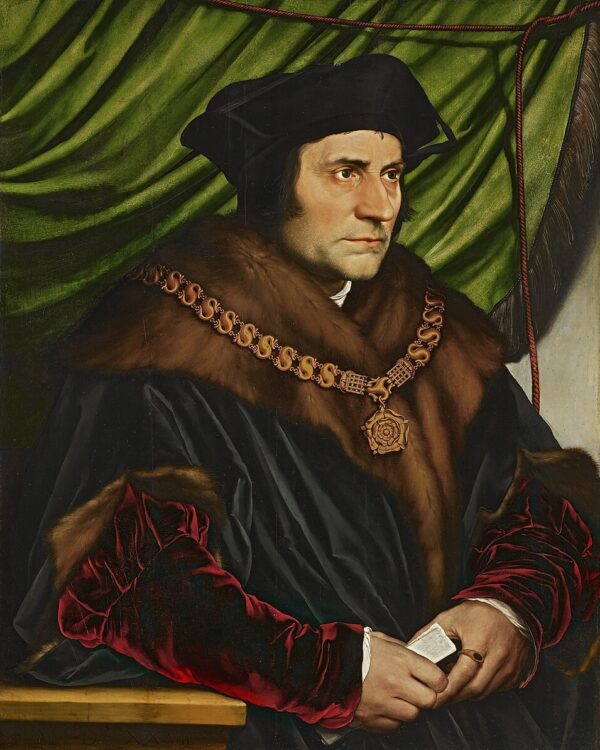
St. Thomas More was an English lawyer, statesman, writer, husband, father, and martyr, born in London in 1478 and executed in 1535. He is honored as a saint and is patron of statesmen, politicians, lawyers, civil servants, and those who must keep conscience before public pressure. The registry row appears to have mixed his metadata with St. Thomas the Apostle, so the corrected biography should identify him clearly as the Tudor martyr.
Educated in law and formed by humanist learning, More became one of the most brilliant minds of his age. He married, raised a family, and created a household known for learning, prayer, hospitality, and affection. His book Utopia made him famous across Europe, but his sanctity cannot be reduced to scholarship. He was serious about prayer, wore a hair shirt, loved the Church, and took care that his children, including his daughters, received an unusually strong education.
Under Henry VIII, More rose to become Lord Chancellor of England. When the king broke with Rome over his marriage and claimed supremacy over the Church in England, More resigned rather than support what conscience could not accept. He remained mostly silent, hoping not to provoke the king, but his refusal to swear the oath recognizing royal supremacy led to imprisonment in the Tower of London.
More was tried and condemned. On 6 July 1535 he was beheaded, declaring himself the king’s good servant, but God’s first. He left letters, prayers, devotional writings, and works of controversy, including A Dialogue of Comfort Against Tribulation. Canonized in 1935 with St. John Fisher, Thomas More remains a model of lay holiness, family life, intellectual integrity, and martyrdom for conscience.
The letters he wrote from prison reveal tenderness toward his family as well as firmness of conscience. He joked even near death, but his humor did not weaken his seriousness. His martyrdom is especially powerful because he was a layman in public office, proving that sanctity belongs in courts, councils, households, and political life.
More’s family life is an important part of the story. He educated his daughters seriously, filled his home with learning and prayer, and remained affectionate even during imprisonment. His letters from the Tower show humor, tenderness and firmness. This makes his martyrdom more human: he did not choose death because he despised life, but because conscience and faith were worth more than office, comfort or survival.
At a glance
- Life dates
- 1st c.
- Feast day
- July 3
- Patronage
- Apostle; patron of India, architects, judges.
Relic in the Chasing Saints collection
A relic of St. Thomas More is present in the Chasing Saints Relic Collection. Private registry details, certificate IDs, provenance notes, and storage information are intentionally not shown publicly.
Reported favors