Saint profile
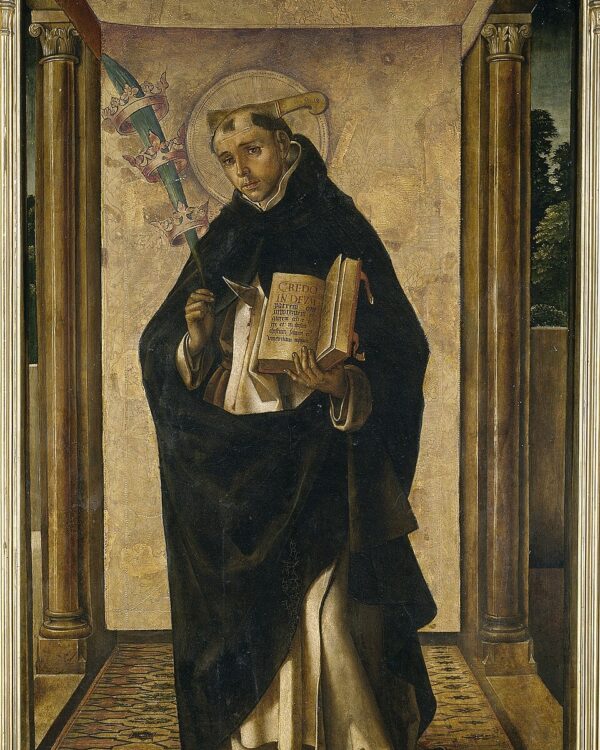
St. Peter of Verona
Born 29 October 1205; died April 6, 1252 · Martyr
Associated with Faith, Perseverance, Martyrs; patronage includes Order of Preachers, Inquisitors, midwives, Lombardy, Como, Cremona, Duchy of Modena and….
Biography and devotion
St. Peter of Verona: life, patronage, and devotion
Peter of Verona (29 October 1205 – 6 April 1252), also known as Saint Peter Martyr and Saint Peter of Verona, was a 13th-century Italian Catholic priest. He was a Dominican friar and a celebrated preacher. He served as Inquisitor in Lombardy, was killed by an assassin, and was canonised as a Catholic saint 11 months after his death — the fastest canonisation in history.
Thomas Agni da Lentini, Dominican archbishop of Cosenza, and later patriarch of Jerusalem, was the first to write a biography of Peter of Verona. He lived with Peter of Verona for many years and had been his superior.
Peter was born in the city of Verona into a family perhaps sympathetic to the Cathar heresy. Peter went to a Catholic school and later to the University of Bologna, where he is said to have maintained his orthodoxy and, at the age of fifteen, met Dominic of Osma. Peter joined the Order of the Friars Preachers, also known as the Dominican Order, and became a celebrated preacher throughout northern and central Italy.
From the 1230s on, Peter preached against heresy, and especially Catharism, which had many adherents in thirteenth-century Northern Italy. Pope Gregory IX appointed him General Inquisitor for northern Italy in 1234, and Peter evangelized nearly the whole of Italy, preaching in Rome, Florence, Bologna, Genoa, and Como. He is credited with founding, c. 1240, the Venerabile Arciconfraternita della Misericordia di Firenze.
In 1243, he recommended the new Servite foundation to the pope for approval. In 1245, he led two battles against Cathars in Florence, in which he was victorious. In 1251, Pope Innocent IV recognised Peter's virtues, among them the severity of his life and doctrine, his talent for preaching, and his zeal for the orthodox Catholic faith, and appointed him Inquisitor in Lombardy. He spent about six months in that office, and it is unclear whether he was ever involved in any trials. His one recorded act was a declaration of clemency for those confessing heresy or sympathy to heresy.
In his sermons, he denounced heresy and also those Catholics who professed the faith by words, but acted contrary to it in deeds. Crowds came to meet him and followed him; conversions were numerous, including those of many Cathars who returned to the Catholic church.
Because of this, a group of Milanese Cathars conspired to kill him. They hired an assassin, Carino of Balsamo. Carino's accomplice was Manfredo Clitoro of Giussano. On 6 April 1252, when Peter was returning from Como to Milan, the two assassins followed Peter to a lonely spot near Barlassina, and there killed him and mortally wounded his companion, a fellow friar named Domenico.
Prayer
St. Peter of Verona, pray for us before Our Lord Jesus Christ. Ask him to strengthen our faith, increase our charity, and grant us perseverance in hope. Bring our intentions before him, according to his holy will. Amen.
Sources
Biographical source: Peter of Verona. Selected and reformatted from Wikipedia contributors; CC BY-SA 4.0. The adapted biographical text is shared under the same license. Contributor history.
At a glance
- Life dates
- Born 29 October 1205; died April 6, 1252
- Feast day
- 29 April
- Vocation / order
- Martyr
- Patronage
- Order of Preachers, Inquisitors, midwives, Lombardy, Como, Cremona, Duchy of Modena and Reggio, Guaynabo, Puerto Rico
Relic in the Chasing Saints collection
A relic of St. Peter of Verona is present in the Chasing Saints Relic Collection. Private registry details, certificate IDs, provenance notes, and storage information are intentionally not shown publicly.
Reported favors