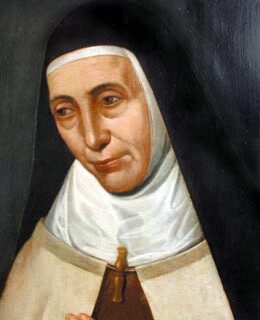
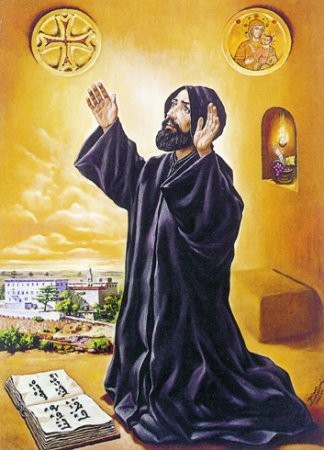
 Artwork: Hardini.jpg — The Maronite Church. Public domain; via Wikimedia Commons. Resized for display.
In Our Relic Collection
Saint profile
St. Nimatullah Kassab
1808–1858
Associated with Healing, Religious; patronage includes Maronite monk (Al‑Hardini); patron of Lebanon’s faithful..
Biography and devotion
St. Nimatullah Kassab: life, patronage, and devotion
St. Nimatullah Kassab Al-Hardini was born in 1808 at Hardine in northern Lebanon, a land where Maronite Catholic life was shaped by monastic prayer, village devotion and fidelity under pressure. His baptismal name was Youssef Kassab. Entering the Lebanese Maronite Order, he took the name Nimatullah, meaning “grace of God,” and became a monk and priest whose holiness was marked by Eucharistic devotion, study and quiet firmness.
He lived in several Maronite monasteries but is especially associated with Kfifan, where he taught theology and helped form young monks. He was not a public reformer in the political sense. His influence came through the discipline of monastic life: prayer, Divine Office, the altar, study, manual labor and the patient formation of souls. Tradition remembers his saying that a monk should be like a candle, giving light and consuming himself for God. This image captures the simplicity of his charism.
Nimatullah was elected assistant general of his order several times. Even in authority he remained austere and humble, refusing comforts that would weaken religious discipline. He had a deep devotion to the Blessed Sacrament and to the Mother of God, and his spiritual fatherhood helped shape the world in which another great Maronite saint, St. Charbel Makhlouf, would later be formed. Though not remembered for writings comparable to a Doctor of the Church, he left a strong monastic witness through teaching, governance and example.
He died at Kfifan in 1858 after a brief illness. Devotion grew around his tomb, and cures and favors were reported through his intercession. Pope John Paul II canonized him in 2004. For Maronite Catholics and for the wider Church, Nimatullah represents holiness rooted in the monastery: Eucharistic faith, discipline, learning, obedience and the hidden radiance of a life consumed for God.
His brother became Patriarch Elias Peter Hoayek’s predecessor in Maronite leadership, and Nimatullah’s family setting shows how deeply Christian village life and monastic culture were intertwined in Lebanon. His pupil St. Sharbel Makhlouf later carried the same Maronite love of silence, Eucharistic prayer and hidden sacrifice into the hermitage.
Among those formed in the same Maronite monastic world was St. Sharbel Makhlouf, whose later fame drew attention to the hidden strength of Lebanese monasticism. Nimatullah’s holiness is therefore part of a wider spiritual flowering in Lebanon: prayer before the Eucharist, love for the Virgin Mary, ascetic discipline and fidelity to the Church amid hardship.
At a glance
- Life dates
- 1808–1858
- Feast day
- December 14
- Patronage
- Maronite monk (Al‑Hardini); patron of Lebanon’s faithful.
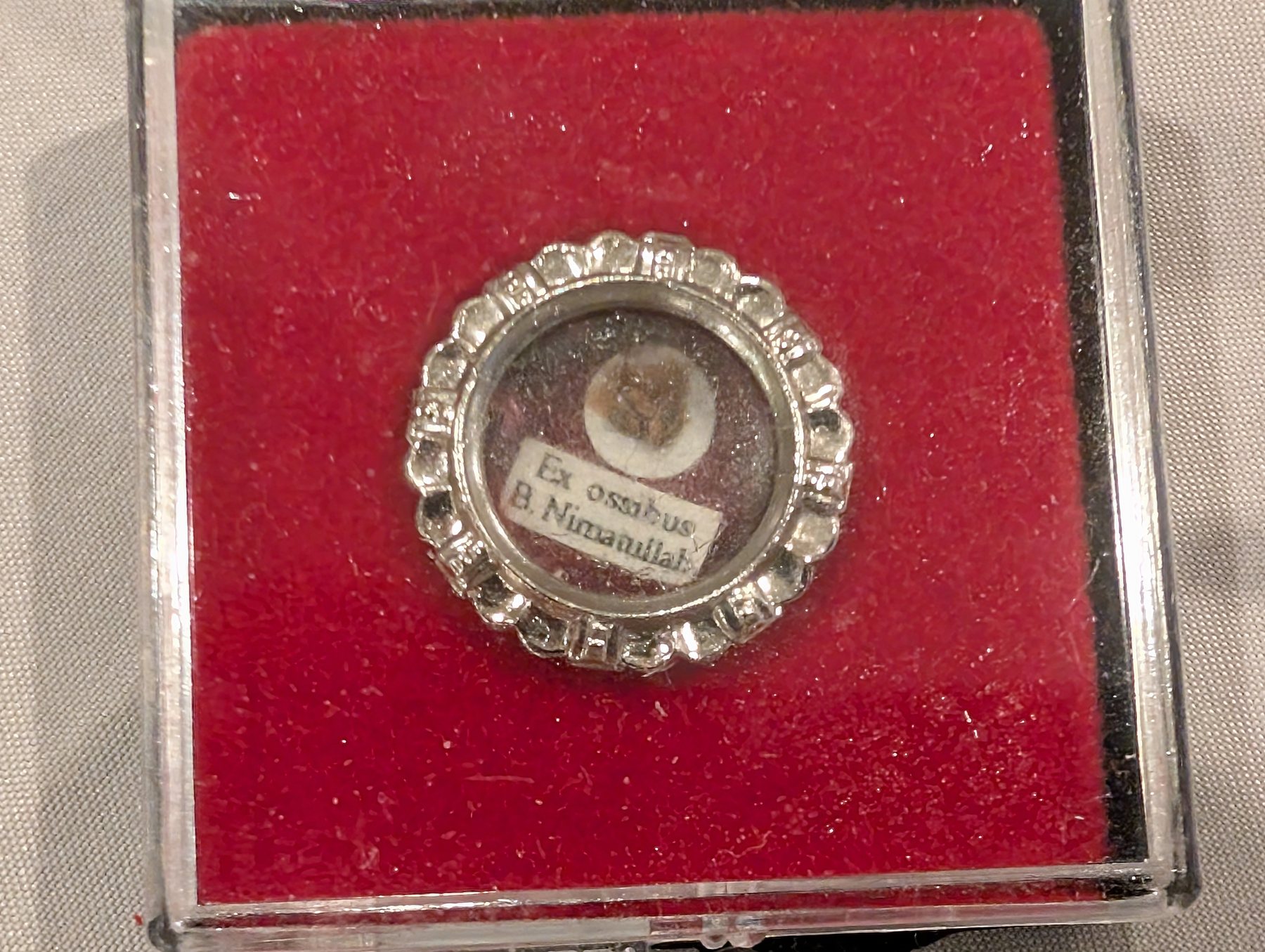
Relic in the Chasing Saints collection
A relic of St. Nimatullah Kassab is present in the Chasing Saints Relic Collection. Private registry details, certificate IDs, provenance notes, and storage information are intentionally not shown publicly.
Reported favors