Saint profile
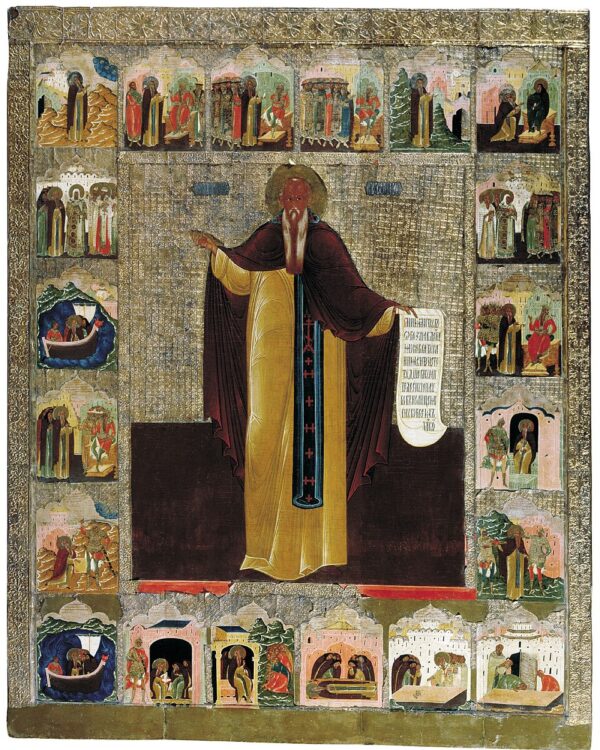
St. Maximus the Confessor
c. 580–662
Associated with Healing, Protection, Students, Religious; patronage includes Theologians, confessors of the faith, defenders of orthodoxy.
Biography and devotion
St. Maximus the Confessor: life, patronage, and devotion
St. Maximus the Confessor was born around 580 and became one of the greatest theologians of the Byzantine Christian world. He was educated, deeply formed in Scripture and the Fathers, and at one point served in imperial administration before embracing monastic life. His writings show a profound vision of Christ, creation, ascetic struggle, and the human person’s call to union with God.
His name is inseparable from the Monothelite controversy. Some leaders tried to settle disputes about Christ by teaching that He had only one will. Maximus understood that this endangered the truth of the Incarnation. If Christ lacked a true human will, then human obedience, suffering, and salvation were not fully healed. He defended the Catholic and orthodox teaching that Christ has both a divine will and a human will, perfectly united in the one Person of the Son.
Maximus supported Pope St. Martin I and the Lateran Council of 649, which condemned Monothelitism. For this fidelity he suffered arrest, trial, exile, and torture. Imperial authorities cut out his tongue and cut off his right hand so that he could no longer teach or write. The mutilation only sealed the witness he had already given. He died in exile in 662.
His writings include the Ambigua, Questions to Thalassius, the Mystagogy, ascetical works, letters, and theological treatises. They influenced both Eastern and Western theology, especially on Christology, deification, the liturgy, and spiritual struggle.
St. Maximus is called “the Confessor” because he suffered for the faith without dying by execution. His life shows that doctrine is not an abstraction. He endured mutilation because the truth about Christ’s human will was the truth about Christ’s saving obedience and the healing of every human will.
His theology was also deeply spiritual. For Maximus, the healed human will is a will that freely says yes to God, as Christ did in Gethsemane. This is why his sufferings had such force: the man who defended Christ’s human will offered his own wounded body as testimony to obedient love.
At a glance
- Life dates
- c. 580–662
- Feast day
- August 13
- Patronage
- Theologians, confessors of the faith, defenders of orthodoxy
Relic in the Chasing Saints collection
A relic of St. Maximus the Confessor is present in the Chasing Saints Relic Collection. Private registry details, certificate IDs, provenance notes, and storage information are intentionally not shown publicly.
Reported favors