Saint profile
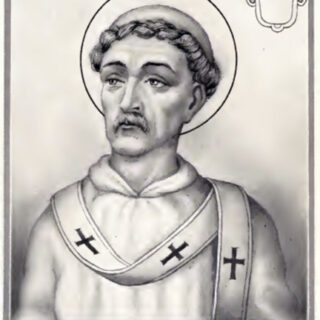
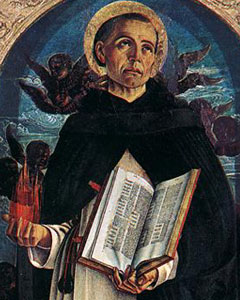
St. Cyril
826–869
Associated with Conversion, Family, Martyrs; patronage includes Co-patron of Europe, Slavs..
Biography and devotion
St. Cyril: life, patronage, and devotion
St. Cyril, born Constantine around 827 in Thessalonica, is honored with his brother St. Methodius as Apostle to the Slavs and co-patron of Europe. Raised in a Byzantine Christian world where Greek culture, theology, imperial service, and monastic life met, he became a scholar, priest, missionary, translator, and defender of the right of peoples to hear the Gospel in their own language.
Constantine was educated in Constantinople and became known for learning and intelligence, earning the name “the Philosopher.” He served in teaching and diplomatic missions before joining his brother Methodius in work that would shape the future of Slavic Christianity. Prince Rastislav of Moravia requested missionaries who could teach the faith in the language of his people. Constantine and Methodius were sent from Constantinople.
Their mission was revolutionary in the best Catholic sense. They translated Scripture and liturgical texts into Slavonic and are credited with devising the Glagolitic alphabet to write the language. This was not a cultural hobby but an act of evangelization. The brothers wanted people to pray, hear Scripture, and be formed in the faith in words they could understand.
Their work met opposition from clergy who favored only Latin, Greek, or Hebrew in worship. The brothers traveled to Rome, where Pope Adrian II approved their liturgical books. In Rome, Constantine became a monk and took the name Cyril. Exhausted by labor and illness, he died there on 14 February 869.
Although Methodius continued the mission after him, Cyril’s contribution was foundational. He joined scholarship, humility, linguistic genius, and missionary zeal. His work opened the door for the Christian formation of Slavic peoples and left a lasting mark on Eastern and Western Europe. St. Cyril’s sanctity shows that language itself can become a vessel of grace when learning is placed at the service of the Gospel.
Cyril’s death in Rome gives his life a moving final chapter. He did not return to Moravia; his strength failed, and he embraced monastic life at the end. Methodius remained to continue the mission, suffering imprisonment and opposition. The later Cyrillic alphabet, though not identical to Cyril’s original Glagolitic script, bears his name because his work opened the door for Slavic Christian literature. His biography is therefore a story of scholarship placed at the service of evangelization: grammar, translation, diplomacy, and holiness all working together for the Gospel.
At a glance
- Life dates
- 826–869
- Feast day
- Feb 14
- Patronage
- Co-patron of Europe, Slavs.
Relic in the Chasing Saints collection
A relic of St. Cyril is present in the Chasing Saints Relic Collection. Private registry details, certificate IDs, provenance notes, and storage information are intentionally not shown publicly.
Reported favors