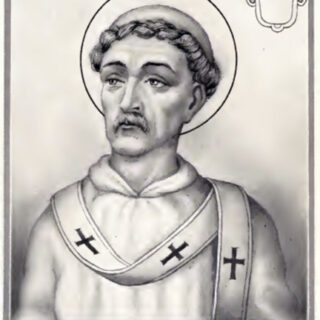
Saint profile
St. Cornelius, Pope and Martyr
Associated with Martyrs, Priests; patronage includes Grand multi-relic reliquary components.
Biography and devotion
St. Cornelius, Pope and Martyr: life, patronage, and devotion
Pope St. Cornelius was elected bishop of Rome in 251 during one of the Church’s most painful third-century crises. The persecution under Decius had left many Christians broken, imprisoned, or apostate. When peace returned, the Church had to decide how to receive the lapsi, those who had denied the faith under pressure and now sought reconciliation.
Cornelius became pope after a delay caused by persecution. His election was opposed by Novatian, a rigorist priest who claimed that grave sinners, especially apostates, could not be restored to communion. The conflict produced a schism. Cornelius, supported by St. Cyprian of Carthage, defended the Church’s discipline of mercy: apostasy was a terrible sin, but repentance and sacramental reconciliation were possible.
This controversy shows Cornelius as a pastor of both truth and mercy. He did not minimize betrayal, but he refused to close the door that Christ had opened through repentance. His letters and the testimony of Cyprian show the Roman Church struggling to guard unity, holiness, and forgiveness at the same time.
The emperor Gallus renewed pressure against Christians, and Cornelius was exiled to Centumcellae, modern Civitavecchia. He died there in 253, likely from the hardships of exile, and was honored as a martyr because his suffering came from fidelity to the Church. His body was later brought to Rome and buried in the catacombs.
Cornelius is often commemorated with St. Cyprian on 16 September. Their friendship across the sea, between Rome and Carthage, is one of the beautiful features of the age. Both men faced persecution, schism, and the pastoral care of wounded Christians. St. Cornelius remains a pope for times of division: firm in doctrine, merciful toward repentant sinners, and willing to suffer rather than abandon the unity of the Church.
His connection with Cyprian also matters. These two bishops, one in Rome and one in North Africa, faced the same wounds in the Church and answered them through communion rather than isolation. Cornelius did not reduce mercy to softness; he required repentance. He did not reduce discipline to severity; he defended reconciliation. His martyrdom by exile gives his short pontificate lasting weight, because he suffered for the unity and healing of Christians who had been broken by fear.
At a glance
- Patronage
- Grand multi-relic reliquary components
Relic in the Chasing Saints collection
A relic of St. Cornelius, Pope and Martyr is present in the Chasing Saints Relic Collection. Private registry details, certificate IDs, provenance notes, and storage information are intentionally not shown publicly.
Reported favors