Saint profile
St. Catherine of Alexandria
3rd–4th century
Associated with Children, Students, Martyrs, Doctors; patronage includes Saints; apostles; martyrs; confessors; Doctors of the Church.
Biography and devotion
St. Catherine of Alexandria: life, patronage, and devotion
St. Catherine of Alexandria is one of the most famous virgin martyrs of Christian tradition and is honored as patron of philosophers, students, apologists, young women, and wheelwrights. Her life is placed in the late third or early fourth century, during the age of Roman persecution, and her feast is kept on 25 November. The traditional account presents Catherine as a young woman of noble birth, educated in philosophy and rhetoric in Alexandria. After becoming Christian, she confronted the emperor, often identified as Maxentius, and rebuked pagan worship. The emperor summoned philosophers to refute her, but Catherine defended the faith so persuasively that many of them converted to Christ and were themselves martyred.
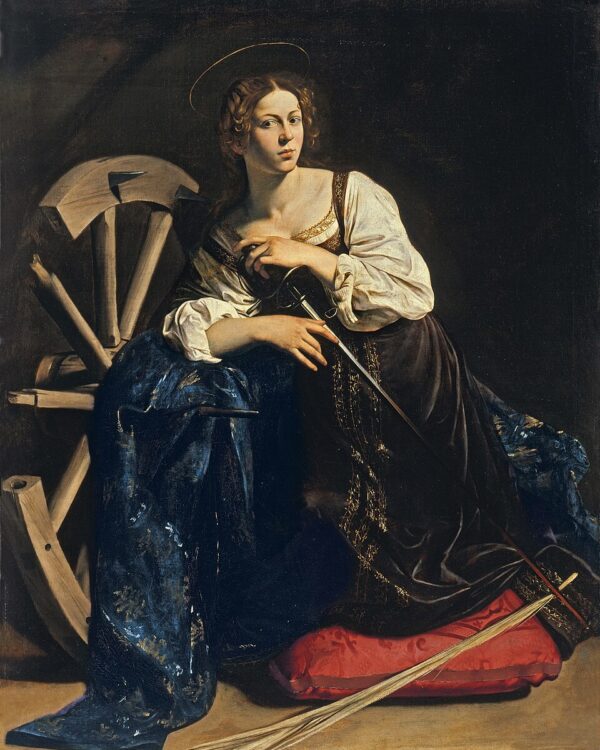
Her courage enraged the emperor. She refused marriage, threats, and apostasy. Tradition says she was condemned to die on a spiked wheel, but the instrument of torture broke, a miracle that gave rise to the “Catherine wheel” in Christian art. She was finally beheaded. Angels were said to have carried her body to Mount Sinai, where the monastery later associated with her became one of the most revered Christian pilgrimage sites. Modern historians debate the details of her legend, but her cult was immense in the medieval Church.
She became one of the Fourteen Holy Helpers and was especially loved by scholars, students, and preachers because she represented wisdom consecrated to Christ. St. Joan of Arc named Catherine among the saints whose voices guided her. Her image appears throughout Christian art with the wheel, sword, book, palm, and crown. St. Catherine’s profile should present both the traditional story and the devotional importance honestly.
Catholics have venerated her as a martyr of holy wisdom: a woman whose learning served faith, whose virginity belonged to Christ, and whose courage before rulers made her a patron for those who must defend the truth with clarity and sacrifice. Her feast and cult were so important in medieval Europe that universities, guilds, hospitals, and chapels took her as patron. The combination of book, wheel, sword, crown, and palm made her instantly recognizable in art. She represented not only martyrdom but intelligence placed under Christ, which is why students and philosophers long invoked her before study and disputation.
Her feast and iconography became especially important for universities, libraries, and communities of women. She was counted among the Fourteen Holy Helpers in medieval devotion, invoked in time of need and danger. The tradition of her learning also made her a patron for students who want intelligence joined to purity and courage.
At a glance
- Life dates
- 3rd–4th century
- Feast day
- November 25
- Patronage
- Saints; apostles; martyrs; confessors; Doctors of the Church
Relic in the Chasing Saints collection
A relic of St. Catherine of Alexandria is present in the Chasing Saints Relic Collection. Private registry details, certificate IDs, provenance notes, and storage information are intentionally not shown publicly.
Reported favors