Saint profile
St. Boniface (Apostle of Germany)
c. 675–754
Associated with Conversion, Martyrs, Priests, Saints; patronage includes Germany; missionaries; tree fellers.
Biography and devotion
St. Boniface (Apostle of Germany): life, patronage, and devotion
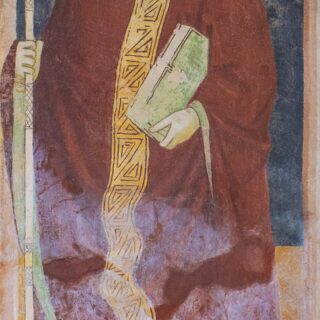
St. Boniface, the Apostle of Germany, was born around 675 in Anglo-Saxon England and received the baptismal name Winfrid. He is honored as a missionary bishop, martyr, patron of Germany, and patron of missionaries. His life shows the energy of the early medieval Church at its best: monastic learning sent outward in mission, reform, and martyrdom. Winfrid was educated in monasteries and became a monk and priest. He might have remained a respected teacher in England, but he felt called to preach among the Germanic peoples.
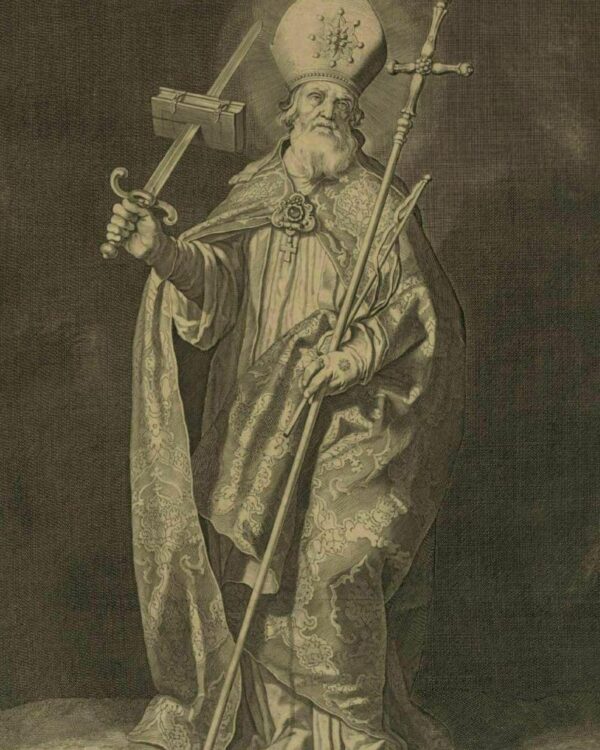
After receiving papal commission, he took the name Boniface and began missionary work on the continent. He worked in Frisia, Hesse, Thuringia, and Bavaria, often in difficult conditions. One of the most famous events of his mission was the felling of Thor’s Oak at Geismar. The tree was sacred to local pagan worship. Boniface cut it down as a public sign that Christ was Lord and that the old gods had no power over those who trusted Him. Tradition says he used the wood to build a chapel dedicated to St.
Peter. This act became a symbol of his mission: not merely arguing against paganism, but replacing it with worship, sacraments, and Christian community. Boniface founded monasteries, organized dioceses, corrected clergy, and worked closely with the popes. He helped reform the Frankish Church and encouraged the great monastery of Fulda, which became a center of learning and mission. His surviving letters show a practical bishop: asking for books, counsel, vestments, prayers, and help in governing new Christian communities. In old age he returned to Frisia to preach.
In 754, near Dokkum, he and his companions were attacked and killed. Tradition says he held a book above his head during the assault, a sign of his love for Scripture and learning. His body was brought to Fulda, where his tomb became a place of pilgrimage. St. Boniface’s life joins courage, organization, papal loyalty, monastic discipline, and martyrdom in one of the great missionary biographies of the West.
The monastery of Fulda, founded under his influence, became the place most associated with his body and memory. From there his cult spread, and generations honored him as a father of the German Church. His martyrdom did not end the mission; it sealed a life spent planting Christian order where pagan custom, political danger, and scattered communities had to be patiently evangelized.
At a glance
- Life dates
- c. 675–754
- Feast day
- June 5
- Patronage
- Germany; missionaries; tree fellers
Relic in the Chasing Saints collection
A relic of St. Boniface (Apostle of Germany) is present in the Chasing Saints Relic Collection. Private registry details, certificate IDs, provenance notes, and storage information are intentionally not shown publicly.
Reported favors