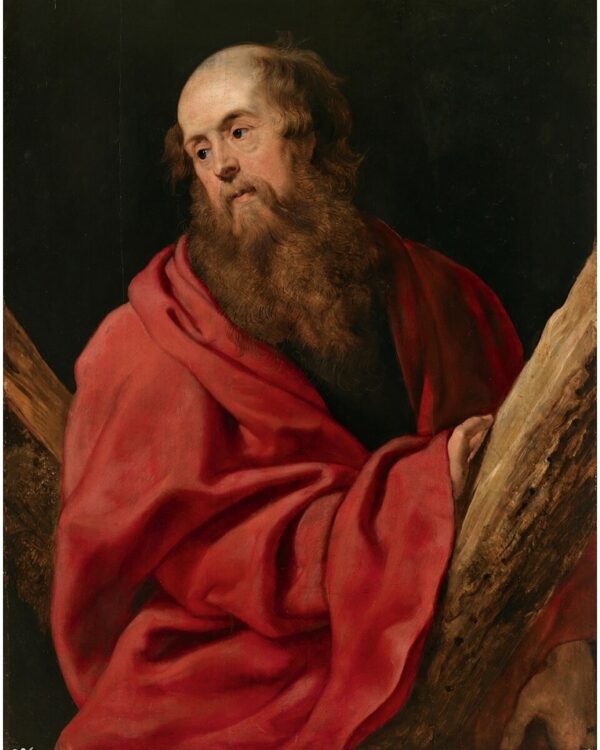
 Artwork: Rubens_apostel_andreas_grt.jpg — Peter Paul Rubens. Public domain; via Wikimedia Commons. Resized for display.
In Our Relic Collection
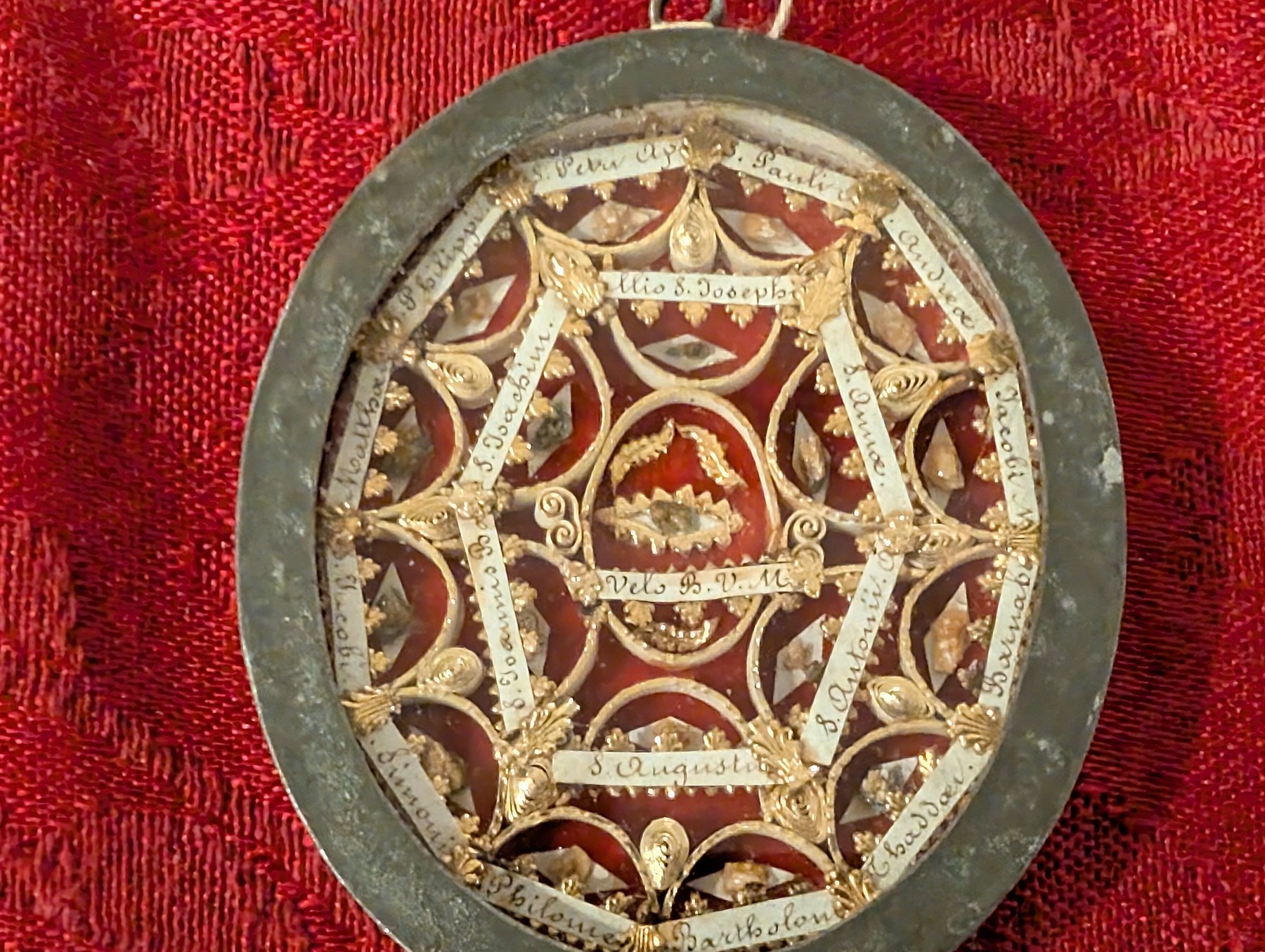
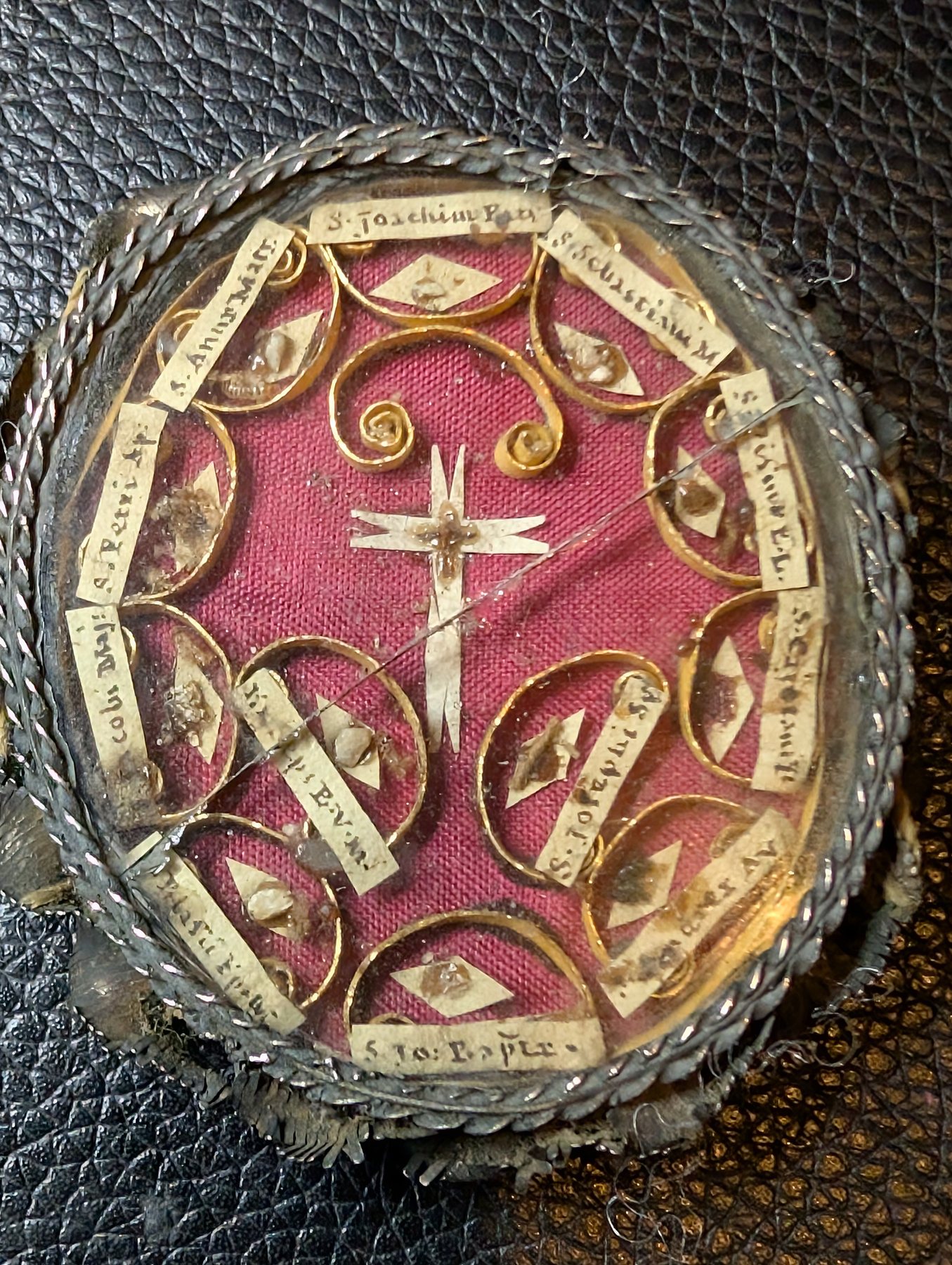
Saint profile
St. Andrew the Apostle
1st c.
Associated with Healing, Saints, Martyrs, Priests; patronage includes Apostle; patron of Scotland, fishermen, rope-makers, singers..
Biography and devotion
St. Andrew the Apostle: life, patronage, and devotion
St. Andrew the Apostle lived in the first century and was one of the Twelve chosen by Jesus Christ. He was a fisherman from Bethsaida or Capernaum on the Sea of Galilee and the brother of Simon Peter. He is honored as patron of Scotland, fishermen, rope-makers, singers, Greece, Russia, and many places and peoples who look to him as an apostolic intercessor. The Gospel of John presents Andrew first as a disciple of St. John the Baptist. When John pointed to Jesus and said, “Behold, the Lamb of God,” Andrew followed the Lord. He then brought his brother Simon to Christ, saying, “We have found the Messiah.” For this reason he is sometimes called the Protokletos, the first-called, and his apostolic charism is often seen in bringing others to Jesus. In the Gospels he appears quietly but meaningfully. At the multiplication of the loaves, he noticed the boy with five barley loaves and two fish. When Greeks came seeking Jesus, Andrew was involved in bringing their request forward. These scenes show a disciple attentive to people and ready to lead them toward the Lord. After Pentecost, tradition says Andrew preached the Gospel in regions around the Black Sea, Greece, and possibly beyond. He is associated especially with Patras in Achaia, where he was martyred. The familiar X-shaped cross, now called St. Andrew’s Cross, comes from the tradition of his crucifixion. He is said to have greeted the cross not with terror but with reverence, seeing it as the path to union with the Master he had followed from the beginning. His relics became important in both East and West. Devotion to him helped shape Christian identity in many lands, including Scotland, where his patronage became part of national memory. His life remains a model of apostolic simplicity: he heard, followed, and brought others to Christ.
The cross of Andrew became one of his strongest symbols because tradition says he did not consider himself worthy to die on the same form of cross as the Lord. Devotion to him entered many nations through relics and missionary memory. In Scotland, the saltire became a national emblem, and the town of St Andrews took its name from relic traditions associated with him. In the Byzantine world, his connection with Constantinople gave him a special place as “the first-called” apostle.
At a glance
- Life dates
- 1st c.
- Feast day
- November 30
- Patronage
- Apostle; patron of Scotland, fishermen, rope-makers, singers.
Relic in the Chasing Saints collection
A relic of St. Andrew the Apostle is present in the Chasing Saints Relic Collection. Private registry details, certificate IDs, provenance notes, and storage information are intentionally not shown publicly.
Reported favors