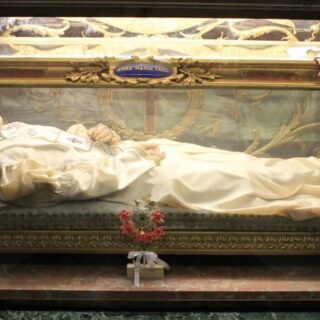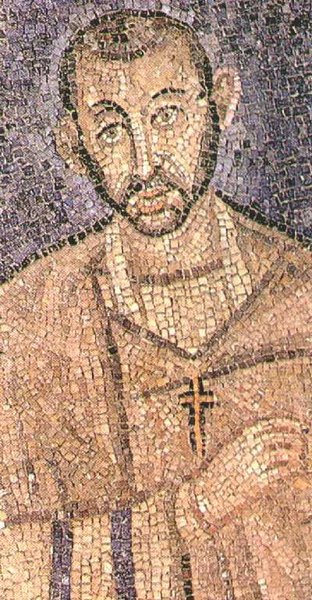
In Our Relic Collection
Saint profile
St. Ambrose
c. 340–397
Associated with Healing, Priests; patronage includes Patron of beekeepers.
Biography and devotion
St. Ambrose: life, patronage, and devotion
St. Ambrose was born around 340, probably at Trier, into a Roman Christian family of high rank. He became one of the four great Latin Doctors of the Church and is remembered as bishop of Milan, defender of orthodoxy, pastor, hymn writer, and one of the men who shaped the conversion of St. Augustine. Before entering the clergy, Ambrose served the empire as a civil official and governor in northern Italy. When the see of Milan became vacant in 374, the city was divided between Catholics and Arians. Ambrose went to the church to keep order during the election. According to the traditional account, a child cried out, “Ambrose, bishop!” and the people took it as a sign. He was still a catechumen, but he accepted the will of the Church, was baptized, ordained, and consecrated bishop within a short time. As bishop, he gave away much of his wealth, studied Scripture intensely, and became a powerful teacher. His preaching defended the divinity of Christ against Arianism, and his courage brought him into conflict with emperors. When Emperor Theodosius ordered a massacre at Thessalonica, Ambrose required public penance before readmitting him to the sacraments. This episode became one of the great examples of the Church’s moral authority before political power. He also influenced St. Augustine, whose conversion in Milan was nourished by Ambrose’s preaching and interpretation of Scripture. His writings include On the Duties of the Clergy, On the Mysteries, On the Holy Spirit, and works on virginity and the sacraments. He is also associated with the development of Latin hymnody. Tradition connects Ambrose with miraculous signs. When he discovered the relics of Sts. Gervasius and Protasius, healings were reported, including the restoration of sight to a blind man named Severus. His patronage of beekeepers comes from a legend that bees settled on his mouth while he was an infant, foreshadowing the sweetness and power of his preaching. He died in 397, leaving Milan and the whole Church a model of pastoral courage, doctrinal clarity, and disciplined charity.
Ambrose’s pastoral work also reached into the daily life of his people. He defended consecrated virginity, cared for the poor, sold church vessels to ransom captives, and used preaching to form Christians in Scripture and moral courage. His conflict with the Empress Justina over Arian demands showed that he would rather face imperial pressure than surrender Catholic worship. When the bodies of the martyrs Gervasius and Protasius were discovered in Milan, healings were reported, and their translation strengthened the Catholic faithful during the Arian controversy. These events made Ambrose not only a teacher but a builder of Catholic identity in Milan.
At a glance
- Life dates
- c. 340–397
- Feast day
- December 7
- Patronage
- Patron of beekeepers
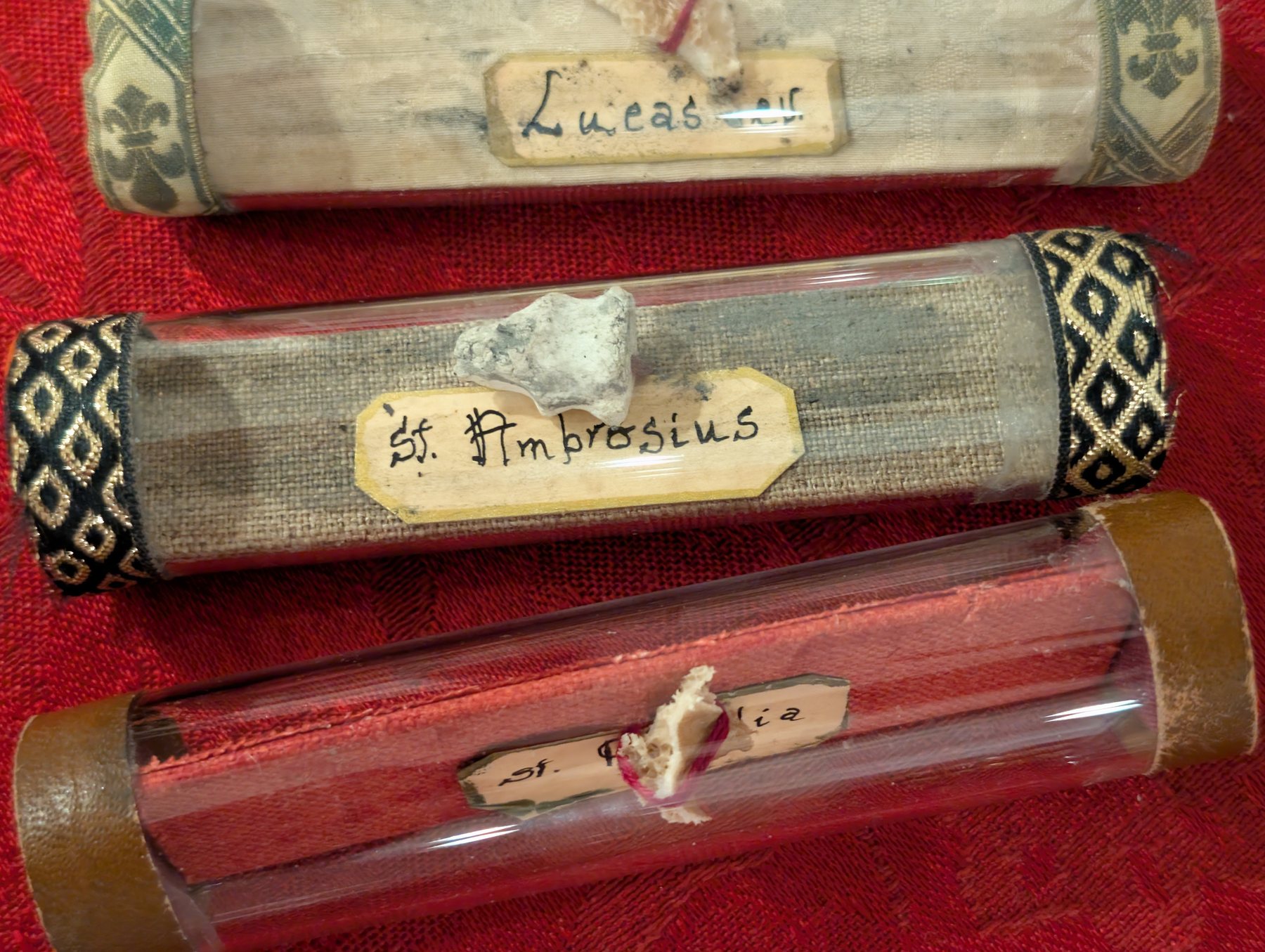
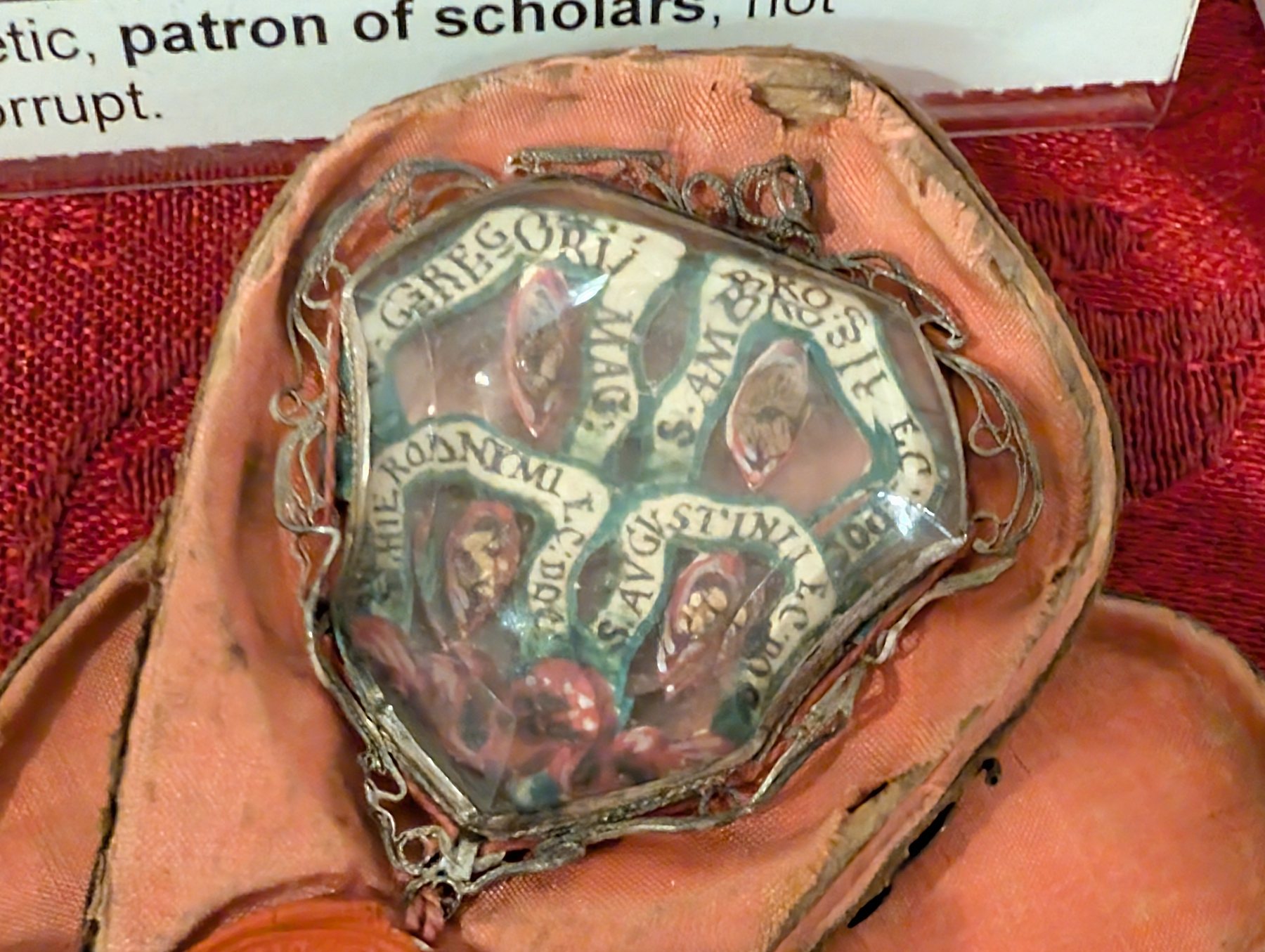
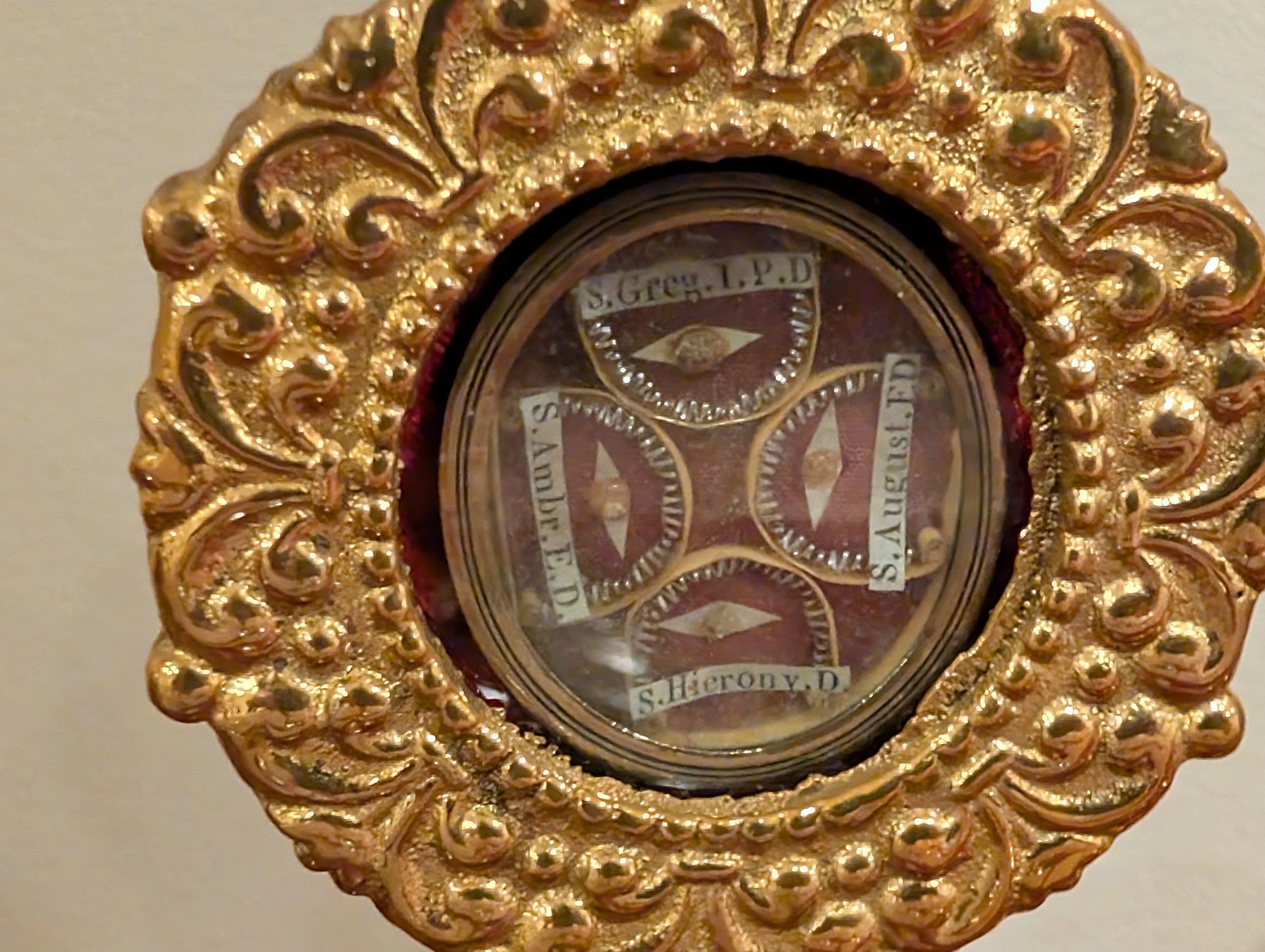
Relic in the Chasing Saints collection
A relic of St. Ambrose is present in the Chasing Saints Relic Collection. Private registry details, certificate IDs, provenance notes, and storage information are intentionally not shown publicly.
Reported favors