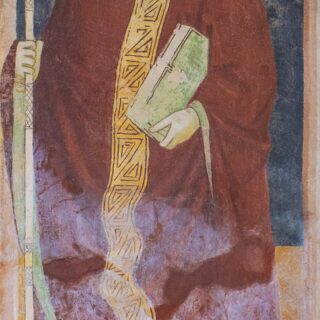
Saint profile
St. Amand of Maastricht
c. 584–675
Associated with Conversion, Priests, Saints; patronage includes Brewers; innkeepers; Belgium; Flanders.
Biography and devotion
St. Amand of Maastricht: life, patronage, and devotion
St. Amand of Maastricht was a seventh-century bishop and missionary, remembered as the “Apostle of Belgium” and invoked as a patron of brewers, innkeepers, Belgium, and Flanders. He was born around 584, probably in the region of Aquitaine, and grew up in a family that expected him to take a comfortable place in the world. Instead, he sought a life of penance, prayer, and mission. As a young man he left home and entered monastic life. Tradition places him for a time as a hermit, then as a monk and pilgrim who traveled to Rome. There he received encouragement for missionary work. The lands that became Belgium and Flanders still contained many people only partially evangelized, and Amand devoted himself to preaching in places where the Gospel had not yet taken deep root. His work was not easy. Some accounts describe harsh resistance, exile, and even attempts on his life. He preached along rivers and trade routes, baptized converts, founded monasteries, and helped build Christian communities where worship, hospitality, study, and care for the poor could continue after he moved on. He became Bishop of Maastricht, though his true charism remained missionary. The monasteries associated with him, especially Elnone, later known as Saint-Amand, became centers of Christian life and welcome for pilgrims. Catholic tradition remembers him as a miracle-worker. Devotion also associates him with help for eye diseases, and his patronage of brewers and innkeepers is tied to the hospitality of the monastic houses that grew from his labors. He died around 675 or 679, after a long life spent carrying the faith into difficult territory. His memory belongs to the missionary formation of Christian Flanders, where preaching, monastic settlement, and patient pastoral care slowly changed the life of the people.
His connection with St. Bavo is one of the most concrete signs of his missionary fruit. Bavo, once a nobleman of worldly habits, was converted through Amand’s preaching and became a penitent saint of Ghent. This shows the kind of work Amand did: not only founding houses and traveling between regions, but bringing individual souls to repentance. He also faced rejection more than once, including hostility from communities that did not want his preaching. The perseverance of his missions helped prepare the later Christian culture of Flanders, where churches, abbeys, and local devotions kept his name alive.
The monasteries connected with his mission became places where travelers could find shelter and where newly evangelized people could see Christian life ordered by prayer. That is why his biography should emphasize not only preaching but building: Amand planted institutions that made conversion durable.
At a glance
- Life dates
- c. 584–675
- Feast day
- February 6
- Patronage
- Brewers; innkeepers; Belgium; Flanders
Relic in the Chasing Saints collection
A relic of St. Amand of Maastricht is present in the Chasing Saints Relic Collection. Private registry details, certificate IDs, provenance notes, and storage information are intentionally not shown publicly.
Reported favors