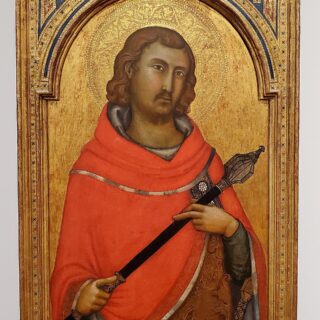
Saint profile
St. Tryphon
3rd c.
Associated with Healing, Protection, Martyrs; patronage includes Patron against infertility, epilepsy, pests..
Biography and devotion
St. Tryphon: life, patronage, and devotion
St. Tryphon was a third-century martyr of Lampsacus in Asia Minor, honored in both Eastern and Western Christian tradition. He is invoked for farmers, vineyards, animals, protection from pests, epilepsy, infertility, and bodily afflictions. His life belongs to the world of rural Christian witness, where healing and care for creation became part of his remembered sanctity.
Tradition says Tryphon was born in a humble setting and worked with geese or livestock as a young man. Even before martyrdom, he was remembered for spiritual gifts, especially healing and deliverance. One famous account says he cured the daughter of the emperor Gordian from demonic torment, a story that made him known as a healer and exorcist in popular devotion. His help was also sought against insects and pests that threatened crops, which explains his strong agricultural patronage.
During the persecution under Decius, Tryphon was arrested and brought before Roman authorities. He refused to sacrifice to the pagan gods. Accounts of his Passion describe torture, endurance, and final condemnation. He died around the middle of the third century, often said to have been beheaded after steadfast confession of Christ.
His relics and cult spread widely, especially in the East. Farmers, shepherds, gardeners, and families prayed to him for protection of fields and animals, while the sick sought his intercession for healing. Tryphon’s biography joins two themes often separated in modern thinking: the martyr’s courage before the state and the healer’s compassion for the suffering. In Catholic devotion he remains a reminder that the Gospel reached not only cities and scholars but fields, animals, households, and the daily anxieties of ordinary people.
His relics and patronage spread widely, and in some regions his feast was tied to blessings of fields and protection of vineyards. That agricultural devotion should not be dismissed as quaint. It shows how Christians brought the whole of daily life—animals, harvest, illness, fertility, and weather—under the care of Christ and His saints.
In Eastern Christian practice, prayers asking deliverance from pests and crop damage kept his intercession close to the daily anxieties of farmers. This practical patronage should not be treated as quaint; in agricultural societies, ruined crops meant hunger. Tryphon’s cult shows how martyrs became companions not only in persecution but also in the material fears of ordinary Christian households.
At a glance
- Life dates
- 3rd c.
- Feast day
- Feb 1 (East)
- Patronage
- Patron against infertility, epilepsy, pests.
Relic in the Chasing Saints collection
A relic of St. Tryphon is present in the Chasing Saints Relic Collection. Private registry details, certificate IDs, provenance notes, and storage information are intentionally not shown publicly.
Reported favors