Saint profile
St. Gregory the Great
c. 540–604
Associated with Priests, Children, Students; patronage includes Patron of musicians.
Biography and devotion
St. Gregory the Great: life, patronage, and devotion
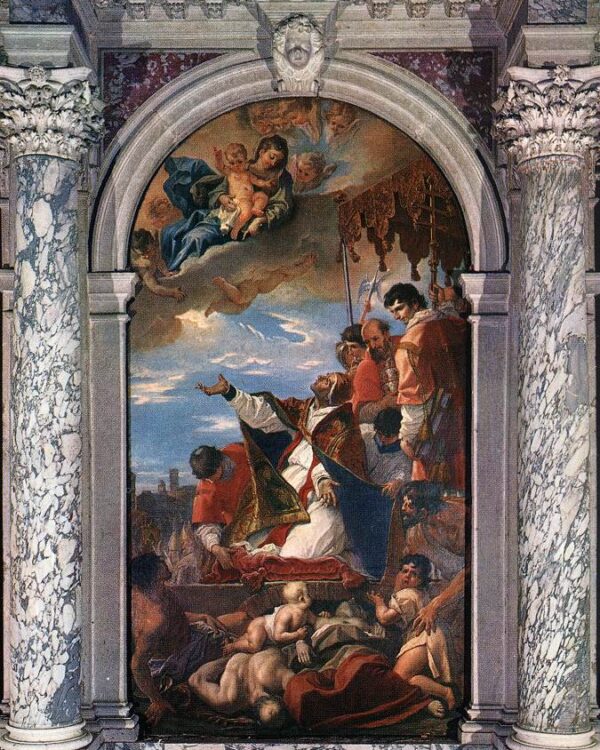
St. Gregory the Great was born in Rome around 540 and died in 604. A monk, pope, Father of the Church, and Doctor of the Church, he is patron of musicians, singers, teachers, students, and leaders in pastoral office. His pontificate helped carry the Church from the ancient Roman world into the medieval age.
Gregory came from a noble Roman family and served as prefect of the city, but he left public honors for monastic life. He turned his family home on the Caelian Hill into the monastery of St. Andrew and desired the hidden life of prayer. The Church, however, needed his gifts. He served as papal envoy in Constantinople and, in 590, was elected pope while plague, famine, Lombard pressure, and political instability threatened Rome.
As pope, Gregory governed with practical intelligence and deep spiritual seriousness. He organized relief for the poor, negotiated for the safety of Rome, administered Church lands responsibly, corrected clergy, supported monastic life, and preached constantly. His famous mission to England sent St. Augustine of Canterbury and companions to evangelize the Anglo-Saxons, a decision that changed the history of English Christianity.
His writings shaped Catholic pastoral life for centuries. The Pastoral Rule set out the responsibilities of bishops and pastors; the Dialogues preserved the memory of Italian saints, especially St. Benedict; his Moralia on Job offered a vast spiritual reading of Scripture; and his letters reveal the daily labor of a pope carrying the burdens of the whole Church. Gregorian chant is traditionally associated with his name, though the musical tradition developed over time. Gregory called himself ‘servant of the servants of God.’ That title summarizes his holiness: authority exercised as humility, learning turned into pastoral care, and monastic prayer placed at the service of the universal Church.
His letters show the range of his daily burdens: bishops needing correction, monks needing protection, landlords abusing tenants, refugees needing food, and missionaries needing guidance. The greatness in his title is therefore not ceremonial. It names a life in which contemplation, administration, doctrine, music, preaching, and mercy were gathered into one demanding service of the Church.
At a glance
- Life dates
- c. 540–604
- Feast day
- September 3
- Patronage
- Patron of musicians
- Incorrupt status
- Reported incorrupt in Catholic tradition
Relic in the Chasing Saints collection
A relic of St. Gregory the Great is present in the Chasing Saints Relic Collection. Private registry details, certificate IDs, provenance notes, and storage information are intentionally not shown publicly.
Reported favors