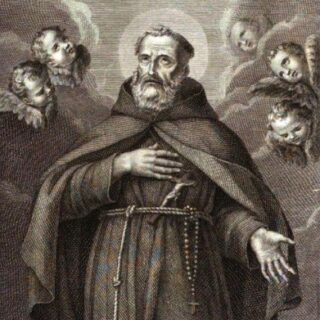
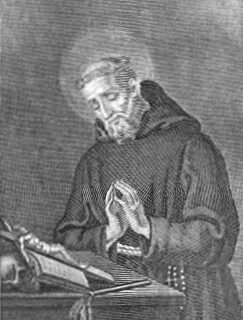
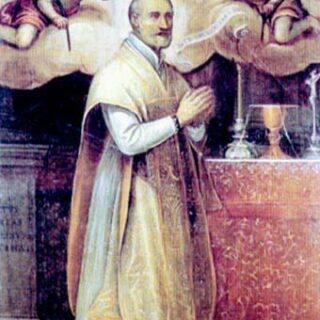
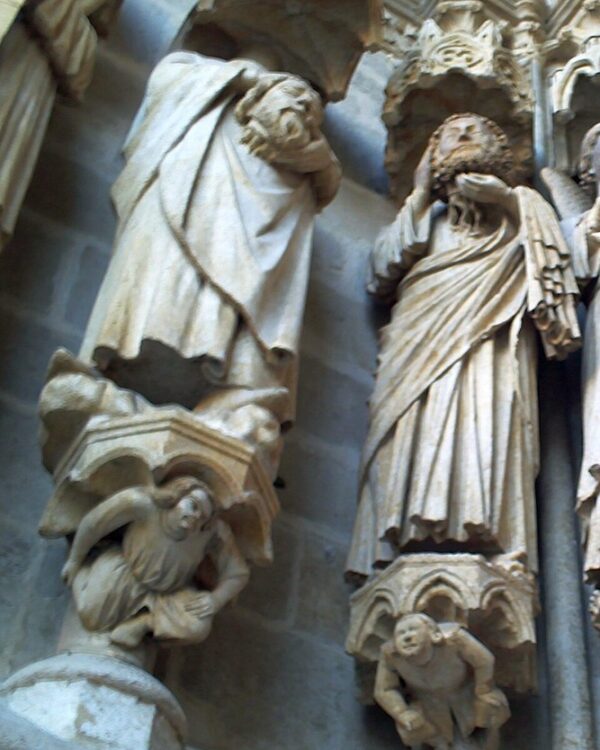
 Artwork: Victoricus_Gentian.JPG — Sjwells53 at English Wikipedia. CC BY-SA 3.0; via Wikimedia Commons. Resized for display.
In Our Relic Collection
Saint profile
St. Fuscien
3rd c.
Associated with Conversion, Spiritual Warfare, Protection, Martyrs; patronage includes Patron against demonic oppression.
Biography and devotion
St. Fuscien: life, patronage, and devotion
St. Fuscien, also called Fuscian, is venerated as a missionary martyr of northern Gaul. Tradition links him with St. Victoricus and St. Gentian, and places his death in the third century near Amiens. He is honored for preaching the Gospel in a region still marked by pagan worship and for remaining faithful under persecution.
According to the tradition, Fuscien and Victoricus came from Rome as missionaries. They preached in the territory of the Ambiani, around present-day Amiens in France. Their work brought them into contact with Gentian, a local Christian or convert who welcomed and assisted them. During persecution, the missionaries were arrested.
The martyrdom account says that Fuscien, Victoricus, and Gentian were tortured and beheaded for refusing to renounce Christ. Their deaths were remembered locally, and the place of their burial became associated with later devotion. The village of Sains-en-Amiénois preserves the memory of these martyrs, whose names became part of the Christian identity of Picardy.
Later traditions attribute miracles and protections to their intercession, especially in local devotion. The registry connects Fuscien with protection against demonic oppression, a patronage that reflects the older Christian sense that missionaries confront not only human resistance but spiritual darkness. This should be stated carefully: he is not mainly remembered as an exorcist, but as a martyr whose preaching opposed pagan worship and whose intercession came to be sought for spiritual protection.
St. Fuscien’s life is brief in the written record, yet it gives a clear missionary pattern. He left security, preached Christ in unfamiliar territory, depended on local believers, and accepted death rather than silence. His memory remains tied to the evangelization of northern France and to the courage of those who first planted the faith there.
The place of their martyrdom became a point of local memory, and churches dedicated to them kept the missionary story alive. In northern Gaul, such martyrs were not only examples of courage; they were remembered as founders in blood, men whose preaching and death helped make the land Christian.
At a glance
- Life dates
- 3rd c.
- Feast day
- December 11
- Patronage
- Patron against demonic oppression
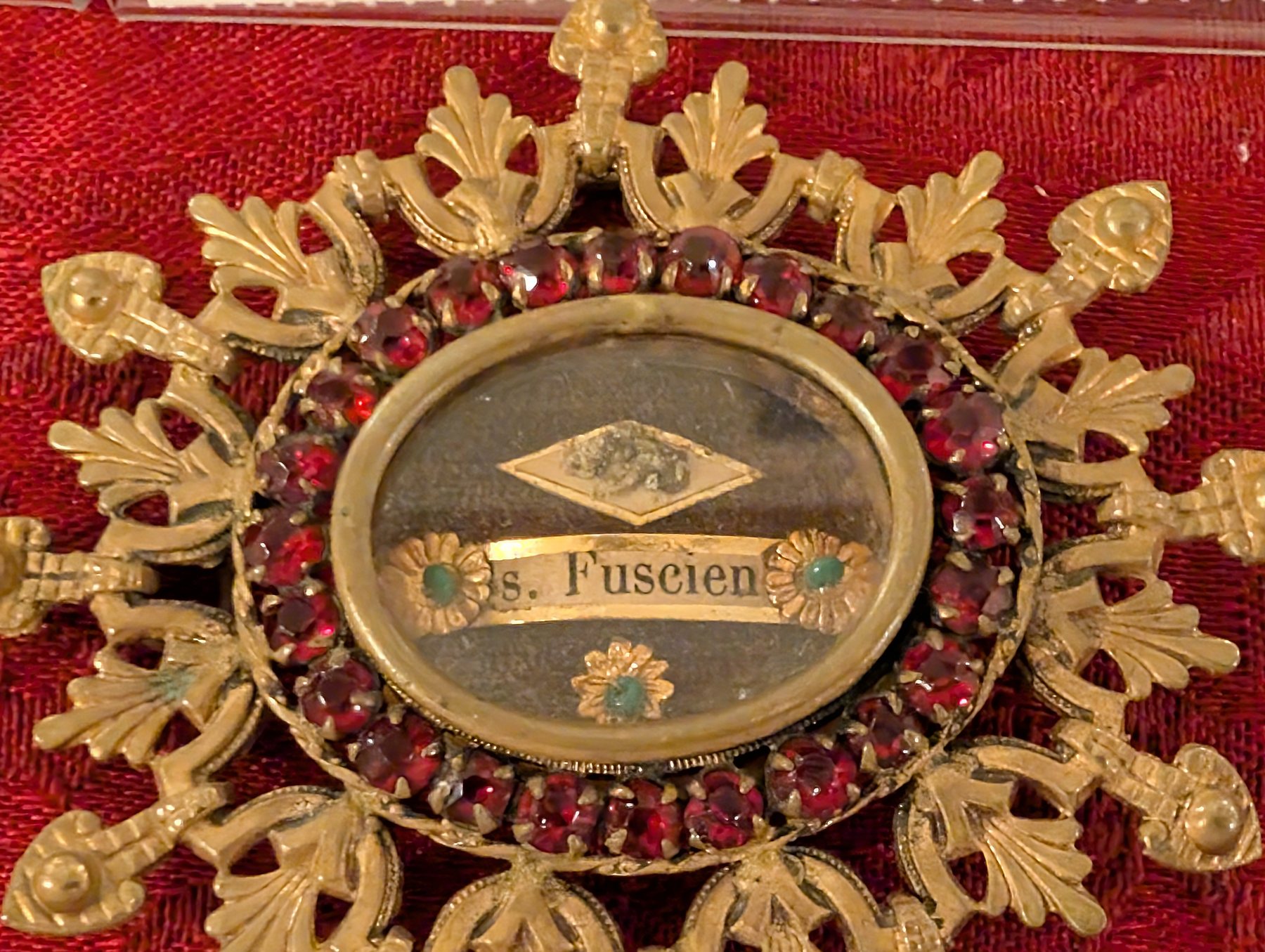
Relic in the Chasing Saints collection
A relic of St. Fuscien is present in the Chasing Saints Relic Collection. Private registry details, certificate IDs, provenance notes, and storage information are intentionally not shown publicly.
Reported favors