Saint profile
St. Euphemia
d. 304
Associated with Martyrs, Doctors; patronage includes Saints; apostles; martyrs; confessors; Doctors of the Church.
Biography and devotion
St. Euphemia: life, patronage, and devotion
St. Euphemia of Chalcedon, often called the Great Martyr Euphemia the All-Praised, was a virgin martyr of the early fourth century. She is especially venerated in the East and West as a witness to Christ under Diocletian and as a saint associated with the Council of Chalcedon.
Tradition says Euphemia was born at Chalcedon, near Constantinople, to Christian parents named Philophronos and Theodosia. When the local authorities held a pagan festival, Christians who refused to sacrifice were arrested. Euphemia, still young, was brought before the governor Priscus and ordered to renounce the faith. She refused. The accounts of her martyrdom describe imprisonment, beatings, the wheel, fire, stones, wild beasts, and other tortures. Through them all she remained faithful, and she died around 304.
Her tomb at Chalcedon became a place of strong devotion. The most famous tradition connected with her occurred at the Council of Chalcedon in 451, when bishops debated the true doctrine of Christ’s two natures. Later devotion tells that the orthodox confession and the opposing formula were placed in her shrine; when the tomb was opened, the orthodox document was found in her right hand while the other lay at her feet. This tradition made her a beloved sign of Christological orthodoxy.
Euphemia’s memory is therefore twofold. She is first a martyr, a young woman who endured violence rather than worship false gods. She is also remembered as a heavenly defender of right belief about Jesus Christ, true God and true man. In her, martyrdom and doctrine are not separate things. The body that suffered for Christ became, in Catholic and Eastern Christian devotion, a witness to the truth of who Christ is.
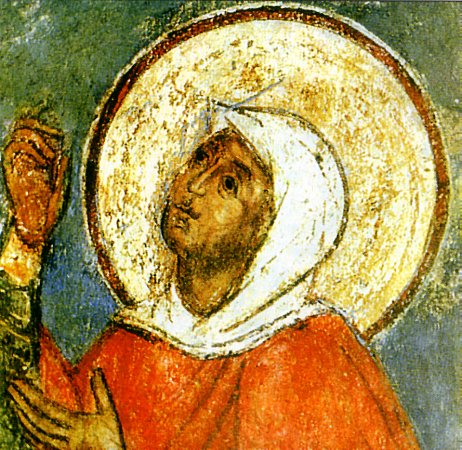
Her feast is celebrated on September 16, with an additional commemoration in the East for the miracle associated with Chalcedon. Icons show her with the martyr’s cross, and her name remains linked to courage, purity, and faithful confession.
Her relics were venerated with great solemnity, and churches dedicated to her spread through the Byzantine world and beyond. The memory of her courage helped Christians connect martyrdom with doctrine: the same Christ for whom she died was the Christ whom the Council confessed as true God and true man.
At a glance
- Life dates
- d. 304
- Feast day
- Sep 16
- Patronage
- Saints; apostles; martyrs; confessors; Doctors of the Church
Relic in the Chasing Saints collection
A relic of St. Euphemia is present in the Chasing Saints Relic Collection. Private registry details, certificate IDs, provenance notes, and storage information are intentionally not shown publicly.
Reported favors