In Our Relic Collection
Saint profile
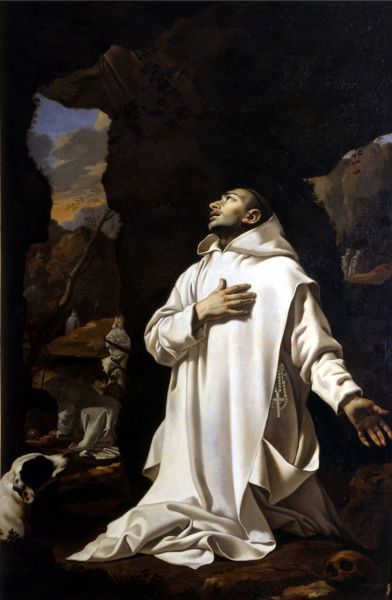
St. Bruno of Cologne
c. 1030–1101
Associated with Healing, Religious; patronage includes Founder of the Carthusians; patron of monastic solitude..
Biography and devotion
St. Bruno of Cologne: life, patronage, and devotion
St. Bruno of Cologne was born around 1030 and became the founder of the Carthusian Order, one of the most austere and contemplative forms of monastic life in the Latin Church. He is patron of Carthusians and those called to silence, solitude, and hidden prayer. Bruno was educated at Reims, where he became a respected scholar, teacher, and chancellor of the cathedral school. His gifts could have led to ecclesiastical advancement, but he was troubled by corruption and by the distance between worldly ambition and the Gospel.
After years of teaching, he chose a life of withdrawal with a small group of companions. With the help of St. Hugh of Grenoble, Bruno and his companions settled in the wild mountains of Chartreuse in 1084. There they began the form of life that became Carthusian: solitary cells, common liturgical prayer, silence, manual labor, fasting, study, and a profound separation from the noise of the world. The Carthusian vocation is not ordinary community life with occasional solitude; it is a radical consecration to God in silence, balanced by liturgy and a small fraternity.
Bruno did not remain permanently at the Grande Chartreuse. Pope Urban II, a former student, called him to Rome for counsel. Bruno obeyed, but he longed for solitude and eventually received permission to retire again, this time to Calabria in southern Italy. There he founded another hermitage and lived in prayer until his death in 1101. His surviving writings are few, including letters that reveal tenderness, wisdom, and love for the contemplative life.
Unlike many founders, he did not leave a detailed rule; the Carthusian customs developed after him from the life he began. No dramatic public career explains his greatness. His legacy is the witness that the Church needs hidden contemplatives as surely as it needs preachers and missionaries. St. Bruno’s life says that silence can become a form of love, and solitude a service to the whole Body of Christ.
The Carthusian Order became famous for preserving this charism with almost no alteration through the centuries. Its monks live in cells, pray the Divine Office, labor, study, and gather for certain common acts while guarding solitude. Bruno’s holiness therefore bore fruit not in visible activism but in a form of life that keeps reminding the Church that God alone is enough.
At a glance
- Life dates
- c. 1030–1101
- Feast day
- October 6
- Patronage
- Founder of the Carthusians; patron of monastic solitude.
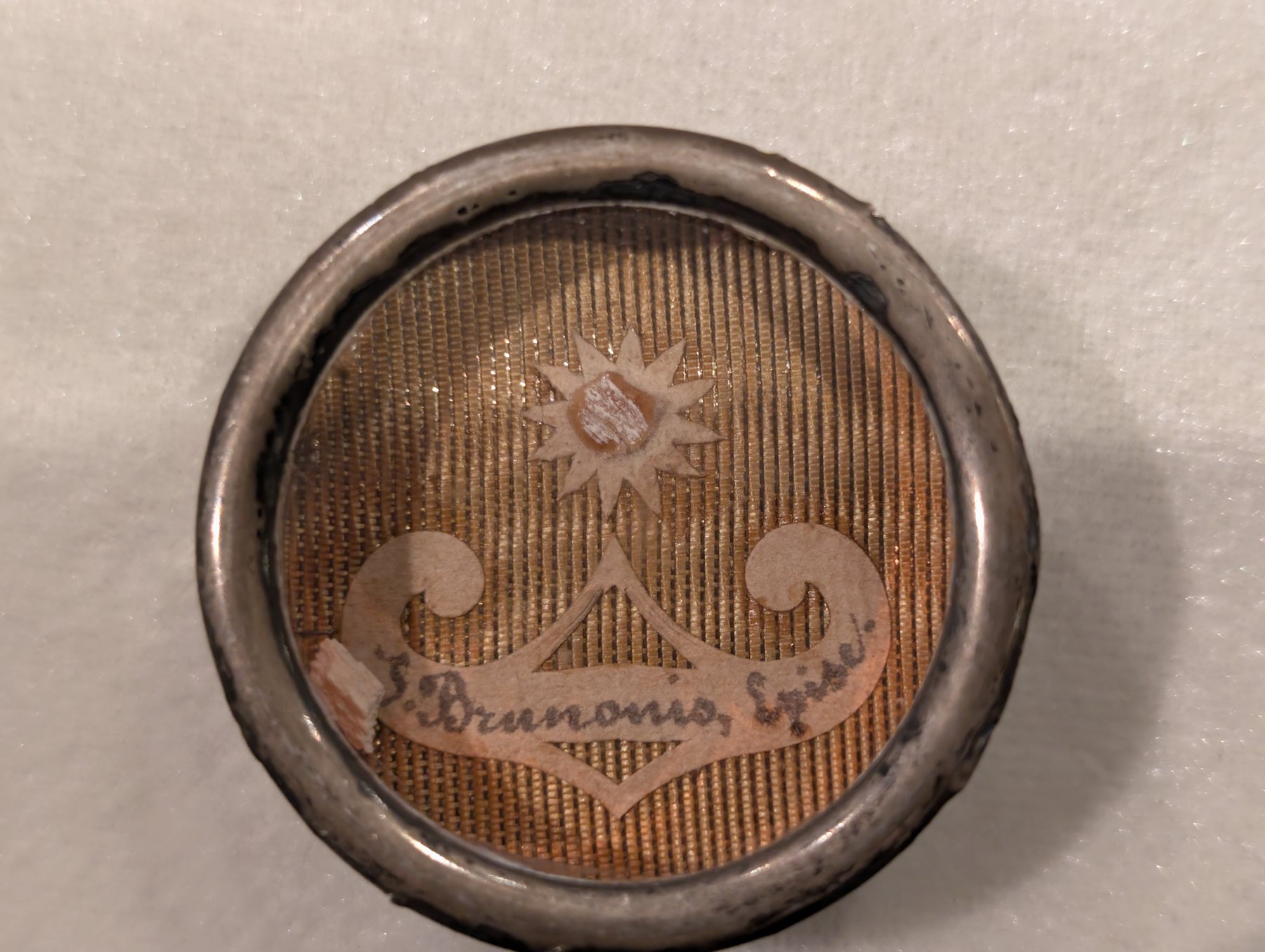
Relic in the Chasing Saints collection
A relic of St. Bruno of Cologne is present in the Chasing Saints Relic Collection. Private registry details, certificate IDs, provenance notes, and storage information are intentionally not shown publicly.
Reported favors