Saint profile
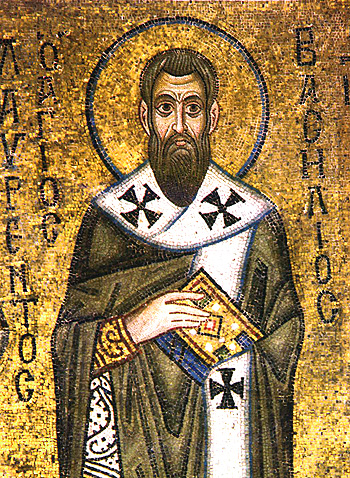
St. Basil the Great
Associated with Martyrs, Doctors; patronage includes Saints; apostles; martyrs; confessors; Doctors of the Church.
Biography and devotion
St. Basil the Great: life, patronage, and devotion
St. Basil the Great was born around 329 at Caesarea in Cappadocia into one of the most remarkable Christian families of the ancient Church. His grandmother St. Macrina the Elder, his parents St. Basil the Elder and St. Emmelia, his sister St. Macrina the Younger, and his brothers St. Gregory of Nyssa and St. Peter of Sebaste all belonged to a household deeply marked by holiness. Basil became Bishop of Caesarea, Father and Doctor of the Church, monk, theologian, preacher, writer, and defender of the faith. He studied in Caesarea, Constantinople, and Athens, where he formed a lifelong friendship with St. Gregory Nazianzen. After a promising career in rhetoric, he turned toward ascetic life, visited monks, and helped shape a form of communal monasticism rooted in prayer, Scripture, labor, obedience, and charity. His monastic writings influenced Eastern Christianity profoundly. As priest and then bishop, Basil fought Arianism and defended the full divinity of the Son and the Holy Spirit. His work On the Holy Spirit remains one of the great theological texts of the fourth century. He also wrote moral and ascetical works, homilies, letters, and liturgical material associated with the Byzantine tradition. His charity was as concrete as his theology. Near Caesarea he built a complex for the poor, sick, strangers, and lepers, sometimes called the Basiliad. It functioned like a city of mercy, joining hospital care, shelter, and Christian service. This work shows that for Basil orthodoxy and charity were inseparable. He died in 379, worn out by illness and conflict, but his influence never faded. He is honored with St. Gregory Nazianzen on January 2 in the Roman calendar and on January 1 in the Byzantine tradition. His life joins learning, monasticism, episcopal courage, liturgical depth, and organized care for the poor.
His friendship and disagreements with St. Gregory Nazianzen reveal the human side of holiness. Both men loved the truth, yet ecclesiastical burdens strained their relationship. Basil also wrote with warmth and firmness to monks, bishops, civil officials, and ordinary Christians. His care for the poor was not occasional generosity but organized mercy. The Basiliad included lodging, medical care, and service to lepers, showing that Trinitarian orthodoxy and social charity belonged together. In the Byzantine tradition, the Divine Liturgy of St. Basil preserves his name in worship, especially during Lent and major feasts.
His friendship and sometimes painful tensions with St. Gregory Nazianzen also show the human side of the Cappadocian Fathers. Basil could be forceful and demanding, yet his urgency came from the crisis of the Church around him. He knew that bad doctrine would wound prayer, worship, and the poor alike.
At a glance
- Patronage
- Saints; apostles; martyrs; confessors; Doctors of the Church
Relic in the Chasing Saints collection
A relic of St. Basil the Great is present in the Chasing Saints Relic Collection. Private registry details, certificate IDs, provenance notes, and storage information are intentionally not shown publicly.
Reported favors