Saint profile
St. Antoninus of Florence
1389–1459
Associated with Students, Priests, Religious, Healing; patronage includes Patron of theologians, reformers..
Biography and devotion
St. Antoninus of Florence: life, patronage, and devotion
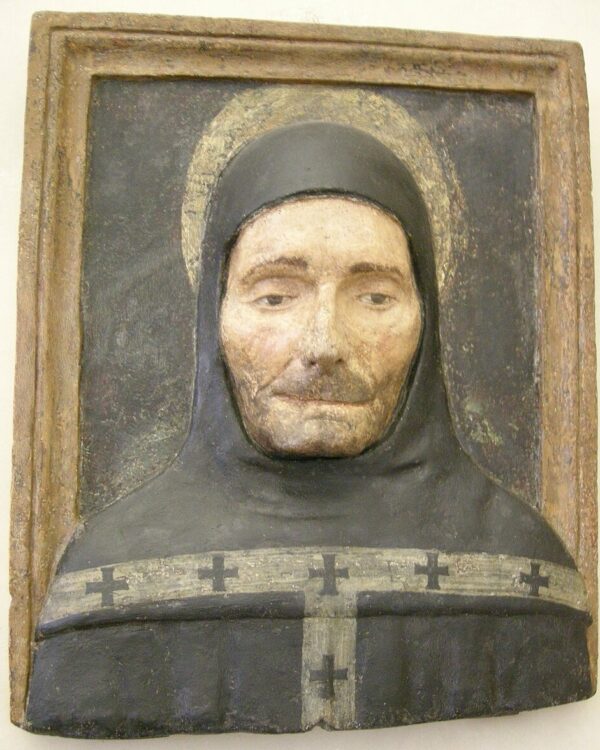
St. Antoninus of Florence was born Antonino Pierozzi in Florence in 1389. Small in body but strong in intellect and will, he entered the Dominican Order and became one of the great reforming bishops of the fifteenth century. He is patronally associated with theologians, reformers, and those who seek justice in public and economic life. As a young man he desired to join the Dominicans but was considered too young. He persevered and entered the Order, where he came under the influence of reforming Dominican life. He served as prior in several houses and helped strengthen religious discipline, study, and observance. His gifts were practical as well as scholarly. In 1446 he became Archbishop of Florence. The city was wealthy, politically complicated, and spiritually demanding. Antoninus lived austerely, visited the poor, gave alms generously, and organized relief for the sick and needy. His episcopal residence became almost a center of charity. During plague, famine, and hardship, he was remembered for direct care and wise administration. He was also an important moral theologian. His Summa Theologica Moralis treated conscience, justice, commerce, contracts, and social duties at a time when Florence was a center of banking and trade. His writings made him a careful guide for confessors, merchants, and civic leaders trying to live Catholic morality in public life. Tradition remembers miracles and graces associated with his charity and intercession. He died in 1459 and was canonized in 1523. His relics are venerated in Florence. Antoninus’ life is significant because he joined Dominican theology to pastoral government, charity to the poor, and moral teaching to the real economic life of a city.
His moral theology was especially attentive to merchants, contracts, loans, wages, and public responsibility, questions that mattered deeply in Florence. He did not reject civic life; he tried to make conscience govern it. When plague or poverty struck, he organized charitable systems rather than offering only words. He also supported the Dominican reform movement and lived personally with austerity despite episcopal dignity. The Florentines saw in him a bishop who understood both the marketplace and the confessional. For that reason, Antoninus is valuable for Catholics who want holiness to touch money, justice, civic duty, and care for the poor.
His presence in Florence also placed him near the artistic and civic life of the Renaissance city, but he was not dazzled by brilliance. He asked how wealth, law, government, trade, and conscience could be ordered toward God. That makes him especially readable for modern Catholics trying to live honestly in public and economic life.
At a glance
- Life dates
- 1389–1459
- Feast day
- May 10
- Patronage
- Patron of theologians, reformers.
Relic in the Chasing Saints collection
A relic of St. Antoninus of Florence is present in the Chasing Saints Relic Collection. Private registry details, certificate IDs, provenance notes, and storage information are intentionally not shown publicly.
Reported favors