Saint profile
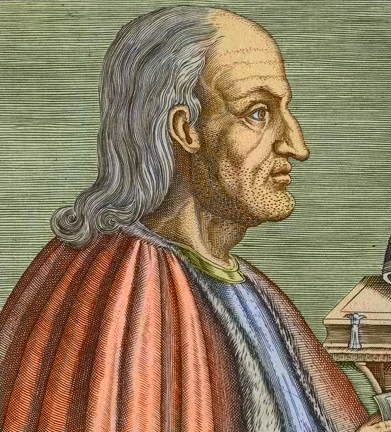
St. Anselm of Canterbury
1033–1109
Associated with Students, Priests, Religious, Doctors; patronage includes Patron of theologians and philosophers..
Biography and devotion
St. Anselm of Canterbury: life, patronage, and devotion
St. Anselm of Canterbury was born around 1033 at Aosta in the Alps and became one of the great Benedictine theologians of the Middle Ages. He is honored as Archbishop of Canterbury, Doctor of the Church, and patron of theologians and philosophers. As a young man, Anselm desired the monastic life, but family opposition and his own restlessness delayed his vocation. After leaving home, he came to Normandy and entered the Abbey of Bec, where he studied under Lanfranc. Bec was one of the intellectual centers of Europe, and Anselm soon became monk, prior, and abbot. His mind was powerful, but his theology grew from prayer. He wanted faith to seek understanding, not curiosity to replace faith. His writings shaped Catholic thought for centuries. The Proslogion contains his famous argument for the existence of God and the prayer, “I believe in order to understand.” Cur Deus Homo, or Why God Became Man, explains the fittingness of the Incarnation and Redemption. Other works include the Monologion, De Veritate, and writings on freedom, grace, and the will. His prayers and meditations also show a tender devotional heart, especially toward Christ and the Blessed Virgin Mary. In 1093 Anselm was made Archbishop of Canterbury. His years as archbishop were marked by conflict with English kings over the freedom of the Church, episcopal authority, and lay investiture. He endured exile rather than surrender what he believed belonged to the Church’s spiritual mission. He died in 1109. His sanctity was that of a monk-scholar and bishop: disciplined prayer, exact thought, humility before revealed truth, and courage before political power. He remains a guide for those who want Catholic theology to be both intellectually rigorous and deeply prayerful.
His prayers and meditations also show a tender spiritual writer, not only a philosopher. Anselm could argue with precision, but he wrote as a monk who wanted the mind to kneel before God. His exile from England revealed the cost of that integrity. Rather than allow kings to treat the Church as a royal possession, he suffered separation from his see. The struggle anticipated later conflicts over investiture and ecclesial freedom. When he died, he left behind not a political victory alone but a model of how reason, prayer, monastic discipline, and episcopal responsibility could serve one truth.
His feast is kept on 21 April. The title Doctor of the Church reflects not only the originality of his thought but the prayerful spirit of his theology. Anselm argued carefully, yet many of his greatest texts read as prayers addressed to God, making his scholarship an act of contemplation.
At a glance
- Life dates
- 1033–1109
- Feast day
- April 21
- Patronage
- Patron of theologians and philosophers.
Relic in the Chasing Saints collection
A relic of St. Anselm of Canterbury is present in the Chasing Saints Relic Collection. Private registry details, certificate IDs, provenance notes, and storage information are intentionally not shown publicly.
Reported favors