In Our Relic Collection
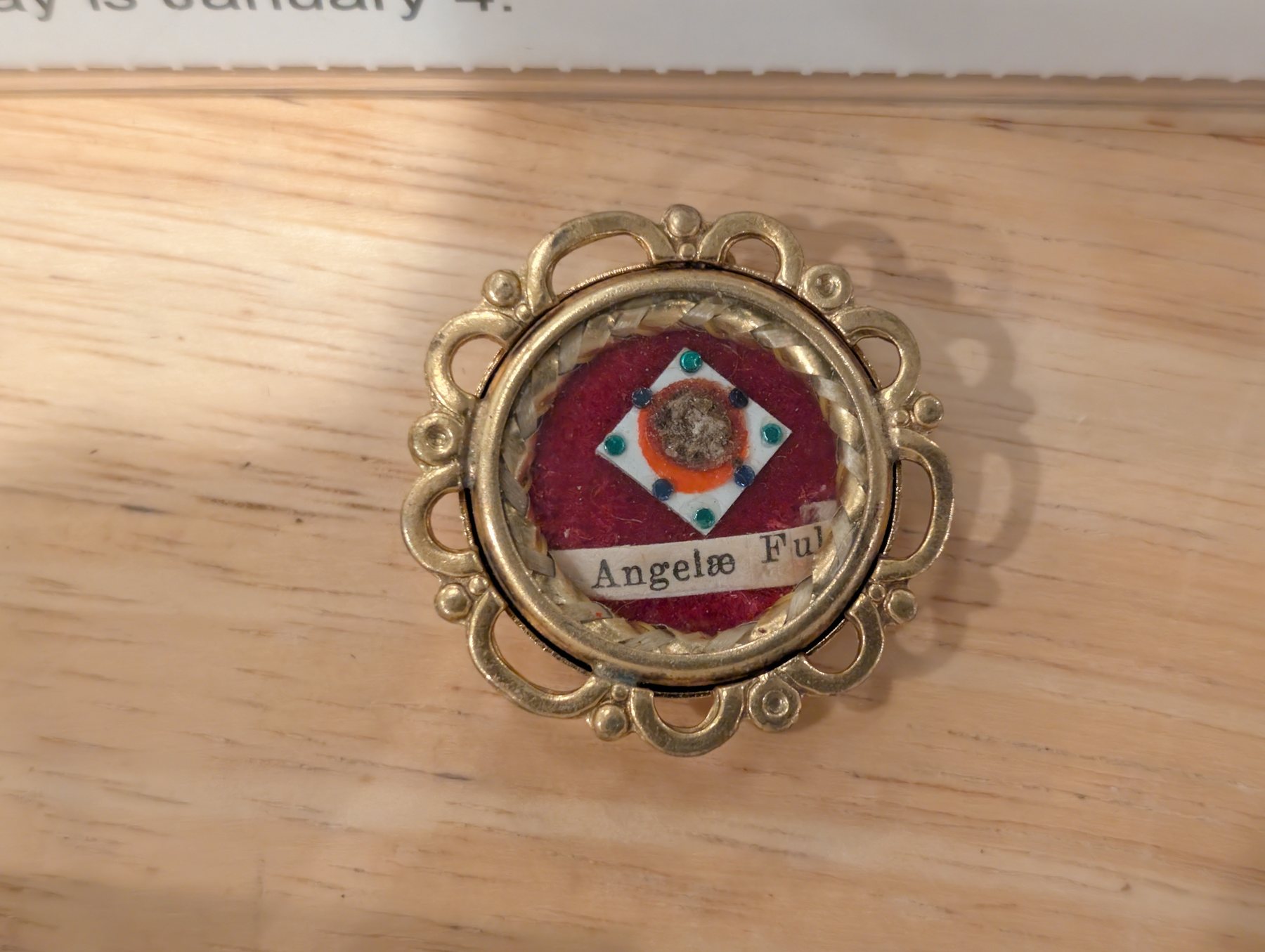
Saint profile
St. Angela of Foligno
1248–1309
Associated with Healing, Conversion, Family, Students; patronage includes Widows; penitents.
Biography and devotion
St. Angela of Foligno: life, patronage, and devotion
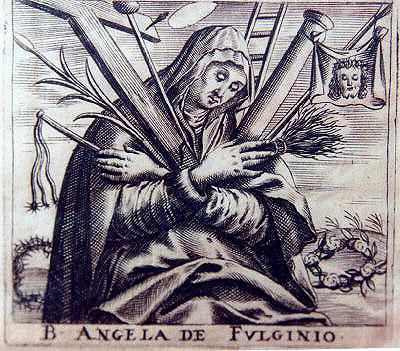
St. Angela of Foligno was born in 1248 in Foligno, in Umbria, and died there in 1309. She is honored as a Franciscan tertiary, mystic, writer, and spiritual teacher, sometimes called the “Mistress of Theologians.” Her patronage is often associated with widows, penitents, people tempted against purity, and souls seeking conversion. Her early life was not that of a cloistered child saint. She married, had children, and lived for a time with attachment to wealth, reputation, and pleasure. Her conversion came gradually and painfully. After making a confession that was not complete, she became tormented in conscience and returned to the sacrament with greater honesty. The deaths of her mother, husband, and children left her alone and opened the way to a more radical surrender to God. Angela entered the Third Order of St. Francis and gave herself to poverty, penance, and service. She cared for the sick and poor, but her lasting importance also comes from her mystical life. Her confessor, Brother Arnold, recorded her experiences in what became known as the Memorial, later joined with Instructions. These writings describe stages of conversion, contemplation of the Passion, intense love for Christ, and profound experiences of the presence of God. Her spirituality was centered on the Crucified Christ. She did not treat mystical prayer as escape from suffering; rather, she saw the Passion as the school of love. A group of disciples formed around her, and she guided them in prayer, humility, Scripture, and charity. Her influence remained Franciscan and deeply penitential, yet also theological, because her words speak with unusual force about the soul’s union with God. She died on 4 January 1309. Pope Francis canonized her by equivalent canonization in 2013. Her life is a powerful witness that sanctity can begin after failure, grief, and repentance, and that God can make a penitent soul into a teacher of prayer for the whole Church.
Her Memorial is vivid because it does not make the spiritual life sound easy. Angela passed through fear, shame, longing, darkness, and overwhelming experiences of God’s mercy. She meditated intensely on the wounds of Christ and came to see poverty as a way of belonging to Him. Some accounts also connect healings and spiritual favors with her prayer, though her most important miracle was the conversion of her own soul into a teacher for others. Her influence continued among Franciscans and mystics because she gave language to the cost and beauty of union with the Crucified.
At a glance
- Life dates
- 1248–1309
- Feast day
- January 4
- Patronage
- Widows; penitents
Relic in the Chasing Saints collection
A relic of St. Angela of Foligno is present in the Chasing Saints Relic Collection. Private registry details, certificate IDs, provenance notes, and storage information are intentionally not shown publicly.
Reported favors