In Our Relic Collection
Saint profile
St. Andrew Avellino
1521–1608
Associated with Healing, Protection, Priests, Conversion; patronage includes Theatine priest; patron against sudden death..
Biography and devotion
St. Andrew Avellino: life, patronage, and devotion
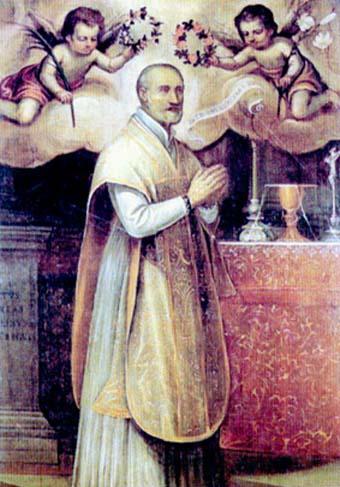
St. Andrew Avellino was born Lancelotto Avellino in 1521 at Castronuovo in southern Italy. He studied law, became a priest, and first served in legal and ecclesiastical work. A serious fault in the practice of law awakened his conscience, and he turned from ambition toward deeper conversion. Entering the Theatine Order, he took the name Andrew and became one of its great reforming priests. The Theatines had been founded in the Catholic reform movement before the Council of Trent and were devoted to clerical holiness, preaching, liturgical reverence, and the renewal of Christian life. Andrew gave himself to this work with discipline. He preached missions, heard confessions, directed souls, and helped establish Theatine houses. He was respected as a spiritual adviser and reformer in Naples and beyond. A famous part of his spirituality was his vow to make continual progress in virtue. He did not want holiness to remain vague; he wanted each day to bring some growth in prayer, humility, obedience, or charity. His preaching and direction were marked by seriousness about sin but also by confidence in grace. Tradition remembers him as a miracle-worker and a patron against sudden death, strokes, and apoplexy. This patronage is connected with his own death. On 10 November 1608, while beginning Mass in Naples, he was struck by a seizure at the altar after saying the words, “I will go unto the altar of God.” He died soon afterward, having given his final strength to the Holy Sacrifice. He was beatified by Pope Urban VIII in 1624 and canonized by Pope Clement XI in 1712. His remains are venerated in Naples. Andrew’s life is especially powerful for priests and penitents because it shows how an early failure, honestly faced, can become the doorway into a life of reform, preaching, miracles, and perseverance.
Andrew also made two private vows that reveal the seriousness of his conversion: to resist his own will and to advance continually in Christian perfection. These vows shaped his demanding spiritual life. In Naples he became a sought-after confessor and guide, especially for clergy and religious. The manner of his death fixed his patronage in Catholic memory. Struck by apoplexy at the altar while preparing to offer Mass, he died where his priestly life was centered. Catholics invoked him against sudden death because his own final moment came in the presence of the Eucharistic sacrifice he loved.
At a glance
- Life dates
- 1521–1608
- Feast day
- November 10
- Patronage
- Theatine priest; patron against sudden death.
Relic in the Chasing Saints collection
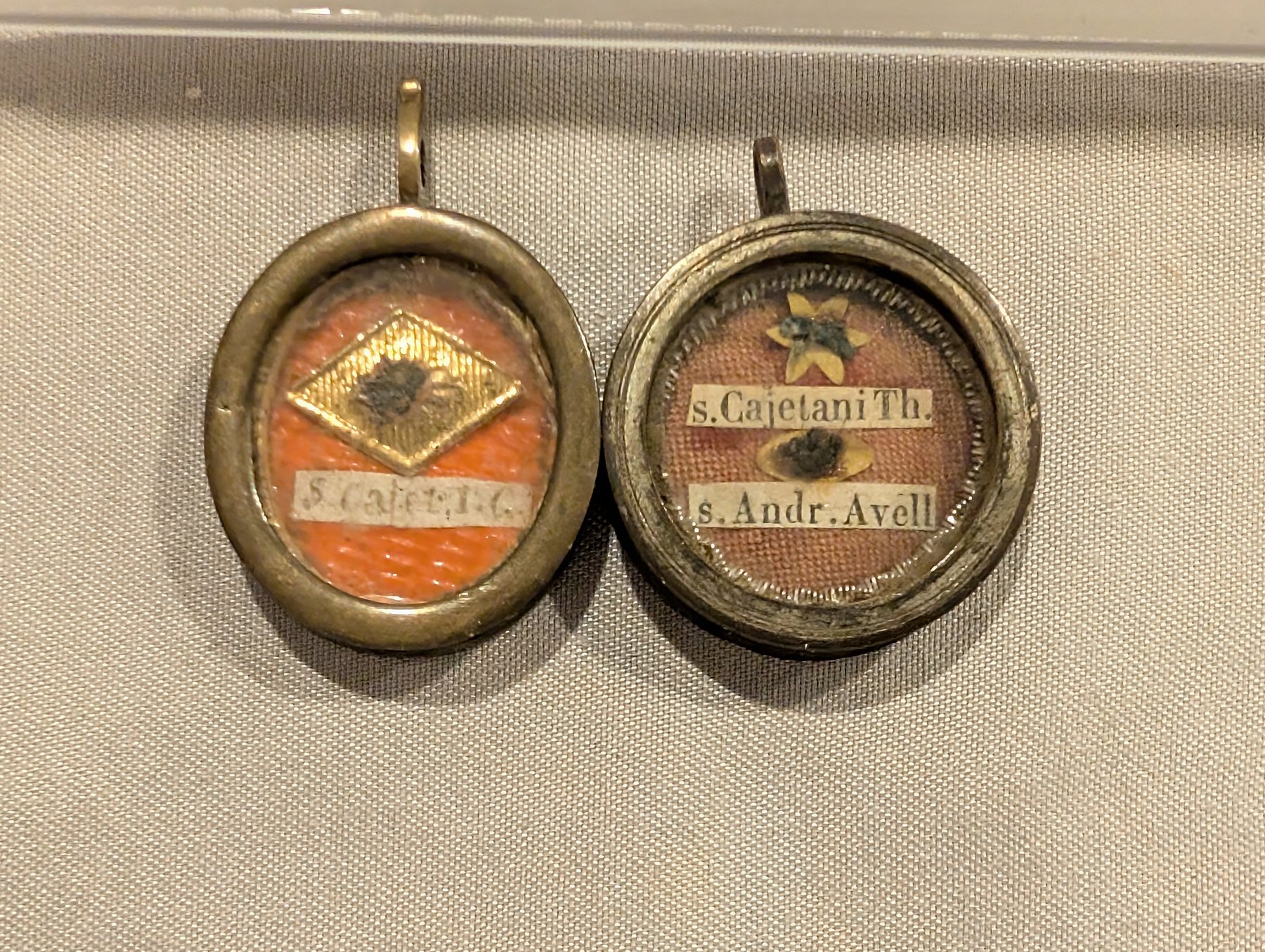
A relic of St. Andrew Avellino is present in the Chasing Saints Relic Collection. Private registry details, certificate IDs, provenance notes, and storage information are intentionally not shown publicly.
Reported favors