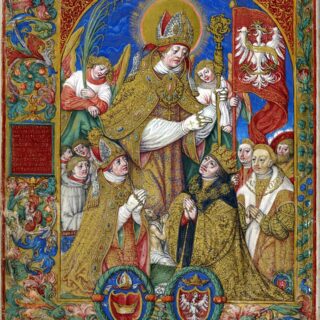
Saint profile
St. Ananias, Disciple of the Lord
1st Century
Associated with Healing, Conversion; patronage includes Converts, catechumens, spiritual healing, discipleship.
Biography and devotion
St. Ananias, Disciple of the Lord: life, patronage, and devotion
St. Ananias, Disciple of the Lord, lived in the first century and is remembered for one of the most dramatic acts of obedience in the Acts of the Apostles. He is patronally associated with converts, catechumens, spiritual healing, and discipleship because the Lord sent him to Saul of Tarsus, the persecutor who became St. Paul. The account appears in Acts 9. Saul had been traveling to Damascus with authority to arrest Christians when the risen Christ appeared to him on the road. Blinded and shaken, he entered the city unable to see. In Damascus there was a disciple named Ananias. The Lord spoke to him in a vision and commanded him to go to Saul, lay hands on him, and restore his sight. Ananias hesitated because Saul’s reputation was terrifying. He knew this man had come to Damascus to harm believers. Yet the Lord told him that Saul was a chosen instrument who would bear Christ’s name before Gentiles, kings, and the children of Israel. Ananias obeyed. Entering the house where Saul was staying, he addressed him not as an enemy but as “Brother Saul.” He laid hands on him, and something like scales fell from Saul’s eyes. Saul received his sight, was baptized, and began the path that would make him the great Apostle to the Gentiles. The importance of Ananias is not measured by the number of stories preserved about him but by the moment in which he stood. He was the human messenger through whom God welcomed a former persecutor into the visible fellowship of the Church. His courage made obedience stronger than fear. Later tradition venerates him as a bishop of Damascus and martyr, though the details are not as firmly known as the biblical account. His life remains a powerful image of the Church’s ministry to converts: instruction, healing, baptism, and the willingness to receive the penitent with trust in God’s grace.
The tradition that he later served as bishop of Damascus and died as a martyr gives his brief biblical appearance a fuller ecclesial setting. Damascus was one of the first cities outside Palestine where the name of Christ was already known, and Ananias represents the quiet authority of the local Church. He did not decide Saul’s mission; Christ had already chosen him. Yet the Lord chose to work through a disciple’s hands, words, and baptism. That is why Ananias is important for catechumens and converts: his life shows that conversion enters the Church through obedience, sacramental life, and the charity of another believer.
At a glance
- Life dates
- 1st Century
- Feast day
- January 25
- Patronage
- Converts, catechumens, spiritual healing, discipleship
Relic in the Chasing Saints collection
A relic of St. Ananias, Disciple of the Lord is present in the Chasing Saints Relic Collection. Private registry details, certificate IDs, provenance notes, and storage information are intentionally not shown publicly.
Reported favors